 St. Petersburg Window
 Why Pinellas Point Roofs Wear Differently
Pinellas Point sits on a peninsula surrounded by water on three sides, which means homes here take on a combination of stresses that inland Pinellas County neighborhoods simply don't face at the same intensity. Salt-laden air off Boca Ciega Bay and Tampa Bay accelerates corrosion on exposed metal fasteners and flashing. Year-round UV exposure breaks down asphalt shingle granules and oils faster than in most parts of the country, even compared to other Florida markets, because St. Petersburg logs some of the highest annual sunshine totals in the state. Add in wind-driven rain during summer storms and the real possibility of hurricane-force gusts, and a roof that was installed without those specific conditions in mind tends to show its age early — curling shingle edges, granule loss in the gutters, and soft spots around penetrations well before a roof in a more sheltered inland area would.
None of this means asphalt shingles are a poor choice for the area. It means the installation details matter more here than they do elsewhere, and cutting corners on underlayment, fastening pattern, or flashing shows up faster on a peninsula lot than it would fifty miles inland.
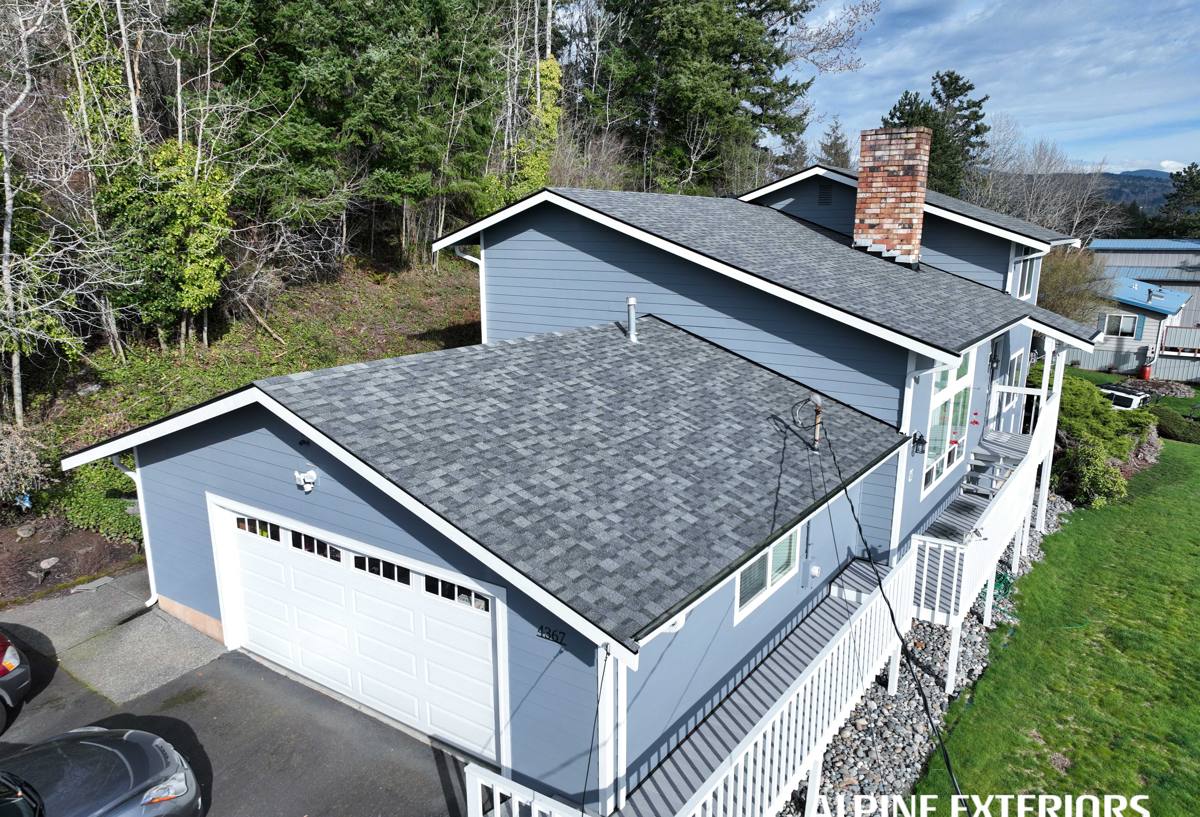
What a Correct Shingle Roof Needs on This Peninsula
Wind Rating and Fastening
Florida Building Code sets minimum wind resistance standards for Pinellas County, and homes closer to open water generally warrant shingles rated at the higher end of what's available, installed with the nailing pattern the manufacturer specifies for high-wind zones — not the minimum pattern that's technically code-legal elsewhere. Under-driven or over-driven nails are one of the most common causes of early shingle blow-off, and it's a detail that's invisible once the roof is finished, which is exactly why it needs to be done right the first time.
Underlayment That Handles Wind-Driven Rain
A synthetic underlayment with taped or sealed seams, rather than older felt paper alone, gives the roof a second line of defense when wind pushes rain sideways and under shingle tabs during a storm. This matters more on a low-lying peninsula property than it does on a sheltered inland lot.
Corrosion-Resistant Flashing and Fasteners
Salt air accelerates rust on standard galvanized fasteners and flashing over time. Using corrosion-resistant flashing at valleys, chimneys, and wall intersections, along with fasteners rated for coastal exposure, is a detail that costs a little more up front and saves a homeowner from flashing failures years down the road.
Ventilation That Matches Florida Heat
Attic ventilation isn't optional in this climate — a poorly ventilated attic traps heat and moisture that ages shingles from underneath, shortening the roof's life regardless of how good the shingle itself is. Balanced intake and exhaust ventilation should be part of any full roof replacement scope, not an afterthought.
Signs a Pinellas Point Roof Needs Attention
Because of the UV and salt exposure described above, roofs here can show wear a few years earlier than the shingle manufacturer's general lifespan estimates suggest. Homeowners doing a periodic visual check (from the ground, or ask your roofer to look during routine service) should watch for:
- Shingle edges that are curling, cupping, or lifting at the corners
- Bare or thinning patches where granules have worn away, exposing the darker asphalt underneath
- Granules collecting in gutters or at downspout outlets after rain
- Streaking or dark discoloration, which is often algae growth rather than damage, but worth having assessed
- Soft or spongy spots felt underfoot near roof penetrations (vents, chimneys, skylights)
- Visible rust staining around flashing or exposed fasteners
- Missing shingles or exposed nail heads after any wind event
- Daylight or water stains visible from inside the attic
Any one of these on its own doesn't necessarily mean a full replacement is needed — but it does mean the roof should be inspected before the next storm season rather than after a leak shows up on a ceiling.
How Our Asphalt Shingle Roofing Process Works
Inspection and Honest Assessment
We start with a full roof inspection — not just a glance from the ground — and give a straight answer on whether the roof needs repair, partial replacement, or a full tear-off. We'd rather tell a homeowner they can get a few more years out of a roof than sell a replacement that isn't needed yet.
Tear-Off and Deck Inspection
For a full replacement, we remove the existing roofing down to the deck and inspect the plywood or OSB underneath for soft spots, rot, or prior water damage. This step matters most in coastal-adjacent neighborhoods like Pinellas Point, where slow leaks around old flashing can go unnoticed for years. Any compromised decking is replaced before new material goes down — installing a new roof over a damaged deck just hides the problem.
Underlayment, Flashing, and Shingle Installation
We install synthetic underlayment with properly sealed laps, new corrosion-resistant flashing at all valleys and penetrations, and shingles fastened to the pattern required for the wind zone, not just the local code minimum. Ridge and hip details get finished with matching cap shingles rated for the same wind exposure as the field shingles.
Final Walkthrough
Before we consider the job done, we walk the property with the homeowner, review the completed work, confirm ventilation and gutter tie-ins are functioning, and go over warranty paperwork and any manufacturer registration needed to keep the warranty valid.
Shingle Options and Cost Factors
Asphalt shingles come in a few tiers, and the right choice for a Pinellas Point home usually comes down to wind rating, expected lifespan, and how the roof's slope and exposure line up with the home's specific site conditions. Below is a general comparison — exact pricing depends on roof size, pitch, number of penetrations, and current deck condition, which is why we always inspect before quoting.
| Shingle Type | Typical Wind Rating | General Lifespan | Best Fit |
|---|---|---|---|
| 3-tab asphalt | Lower end of code range | Shorter | Budget-driven projects on sheltered lots |
| Architectural (laminated) | Higher, varies by product line | Longer than 3-tab | Most Pinellas Point homes, especially closer to open water |
| Impact-resistant architectural | Highest available in asphalt | Comparable, often better warranty terms | Homes seeking maximum wind and hail resistance, possible insurance premium credit |
Cost also moves with factors beyond the shingle itself: how many layers of old roofing need to be removed, the amount of decking replacement required, the complexity of the roofline (valleys, dormers, chimneys), and current ventilation. We break all of that out in writing so there are no surprises once work starts.
Practical Cost-Factor Checklist
- Roof size and pitch — steeper roofs take longer to work safely and cost more per square
- Number of layers being removed — tear-off of multiple old layers adds labor and disposal cost
- Decking condition — rotted or soft plywood found during tear-off adds material and labor
- Roof complexity — valleys, dormers, and multiple penetrations increase flashing work
- Shingle tier selected — 3-tab, standard architectural, or impact-resistant architectural
- Ventilation upgrades — adding or correcting intake/exhaust balance
- Permit and inspection fees required by Pinellas County or the City of St. Petersburg
Permits and Inspections in Pinellas County
Roof replacements in St. Petersburg require a permit, and the completed work has to pass inspection before the job is closed out. This isn't paperwork for its own sake — it's a check that the wind rating, fastening pattern, and flashing details actually meet the code requirements set for this part of the county. We handle the permit application and schedule the required inspections as part of the job, so the homeowner isn't left chasing down city or county offices on their own. If a roof is ever involved in an insurance claim later, having a properly permitted and inspected installation on file makes that process considerably smoother.
Why Local Experience on This Peninsula Matters
A crew that regularly works Pinellas Point and the surrounding St. Petersburg waterfront neighborhoods already knows which flashing details tend to fail first on this peninsula, which fastening patterns actually hold up through a real Gulf-season storm, and how attic ventilation needs differ from a job three miles inland. That familiarity translates into fewer surprises during tear-off, fewer callbacks after the first big storm, and a straighter answer up front about what a given roof actually needs. It also means we're a known, reachable local business — not a storm-chasing crew that's out of state again by the time a warranty question comes up.
Caring for a New Asphalt Shingle Roof Here
Once a new roof is installed, a small amount of upkeep goes a long way in this climate. Keep gutters clear so water isn't backing up under the shingle edge, trim overhanging branches that drop debris and hold moisture against the roof, and have the roof visually inspected after any major storm and at least once a year otherwise. Salt air and intense sun don't stop working on a roof just because it's new — they simply take longer to show their effects on a correctly installed one.
If you're weighing a repair, a partial replacement, or a full re-roof for a Pinellas Point home, we're glad to take a look and give you a straight, no-pressure assessment. Use the form below to request a free estimate, and we'll walk the roof, explain what we find, and lay out your real options in plain terms.