 St. Petersburg Window
 Why Pinellas Point Roofs Wear Out Faster Than Roofs Inland
Pinellas Point sits on the southern tip of the St. Petersburg peninsula, wrapped on three sides by Tampa Bay and Boca Ciega Bay. That waterfront exposure is part of what makes the neighborhood desirable — and part of what shortens the life of a roof. Salt-laden air corrodes exposed metal fasteners, flashing, and vent stacks years before an inland roof would show the same wear. Add in the sustained UV load of a Florida summer, wind-driven rain that finds every gap in flashing or underlayment, and the occasional direct hit from tropical-storm or hurricane-force wind, and you get a roofing environment that's genuinely harder on materials than most of the country ever deals with.
None of that means a roof here has to fail early. It means the installation has to be done correctly for this climate, with the right materials fastened the right way — not just "to code," but to a standard that accounts for what this specific location throws at a house year after year.
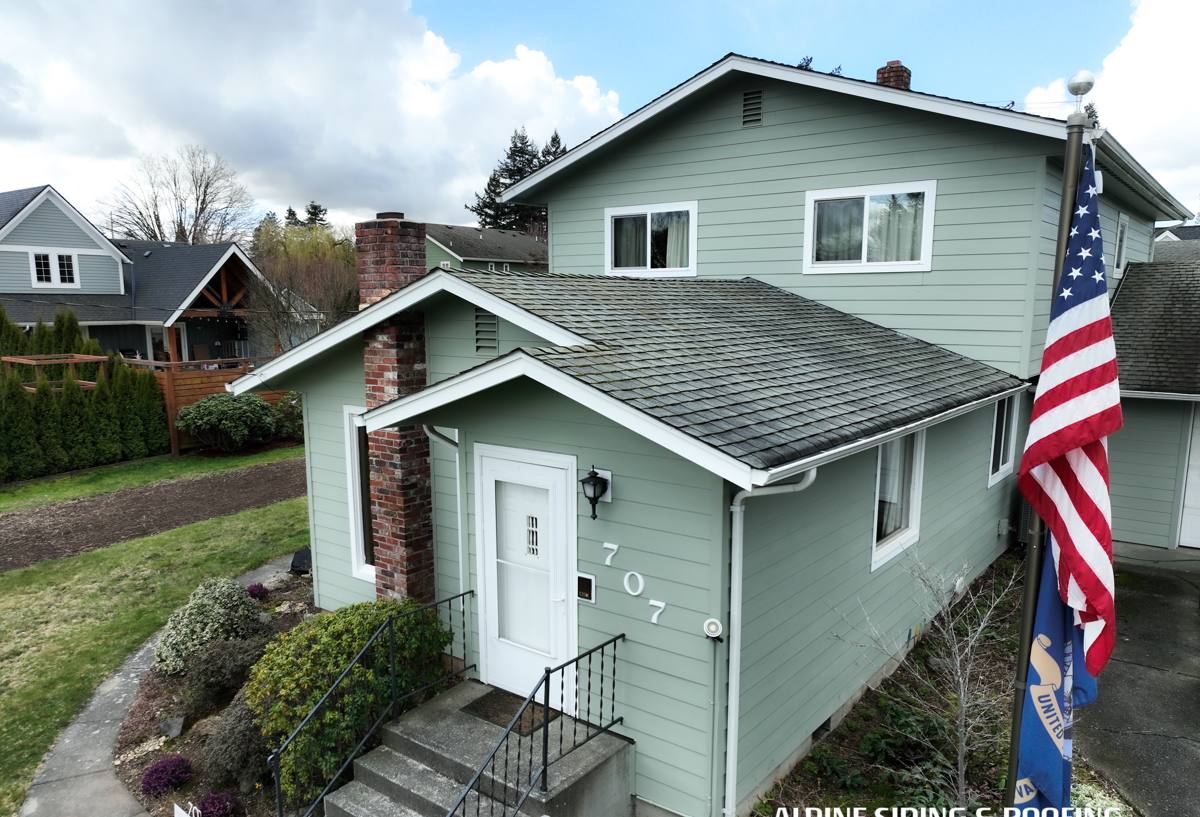
Signs a Pinellas Point Home Needs a New Roof, Not Another Repair
A lot of roofs in this neighborhood are patched repeatedly before anyone calls for a full replacement. That's understandable — a repair is cheaper up front — but past a certain point, repeated patching costs more than doing the job once. Here's what tells us a roof has reached that point:
- Granule loss heavy enough that you're finding grit in gutters and downspouts regularly
- Shingles that are curling, cupping, or cracking, especially on the south and west-facing slopes that take the most sun
- Soft spots in the decking when walked, or visible sagging along the roofline
- Rust streaking or corrosion around flashing, vents, or metal roof panels
- Interior water stains, especially ones that reappear after every hard rain
- A roof that's 18-20+ years old (asphalt shingle) or showing widespread wear regardless of age after storm exposure
- Multiple past repairs in different spots — a sign the whole roof system, not just one section, is aging out
If your roof shows two or more of these, a licensed inspection is worth doing before storm season catches you mid-repair.
Roofing Materials That Actually Hold Up in This Climate
Pinellas Point has a mix of housing stock — mid-century ranch homes, newer waterfront builds, and everything in between — so there's no single "right" roofing material for every house. What matters is matching the material to the home's structure, budget, and how much maintenance the owner wants to take on.
| Material | Typical Lifespan Here | Wind/Salt Air Performance | Trade-offs |
|---|---|---|---|
| Architectural asphalt shingle | 18-25 years | Good when rated and installed for high wind; standard choice for most homes | Lower upfront cost; needs correct nailing pattern and underlayment to hit rated wind speeds |
| Standing seam metal | 40-50+ years | Excellent — handles wind uplift and salt air well with proper fasteners and coatings | Higher upfront cost; fastener and flashing quality matters even more near the water |
| Concrete or clay tile | 40-50+ years | Strong wind resistance when properly fastened; the underlayment beneath does the real waterproofing work | Heavier — needs a structure rated for the load; underlayment failure is the most common tile roof problem |
| Modified bitumen / TPO (flat/low-slope sections) | 15-20 years | Good for flat porch or addition roofs common on older ranch homes | Seam quality is everything; not a substitute for pitched roofing on the main structure |
For most single-family homes in this neighborhood, a wind-rated architectural shingle system remains the practical middle ground on cost, appearance, and durability. Metal and tile earn their higher price tag in longevity, particularly for owners planning to stay put for decades.
Underlayment Is Not an Afterthought
On any of these materials, the underlayment beneath the visible surface is doing more of the waterproofing work than most homeowners realize. A synthetic underlayment with taped or sealed seams, properly lapped, is what keeps wind-driven rain out even if a few shingles or tiles lift in a storm. We don't treat underlayment as a cheap filler step — it's specified to match the material and the wind exposure of the specific roof.
What a Correct Installation Actually Involves
A roof replacement is more than stripping old material and nailing down new. Done right, it includes:
1. Deck Inspection and Repair
Once the old roofing is off, the decking underneath gets inspected board by board. Soft, delaminated, or water-damaged plywood or plank decking gets replaced before anything new goes down — installing new roofing over compromised decking just hides the problem and voids most manufacturer warranties.
2. Underlayment and Ice/Water Barrier at Vulnerable Points
Self-adhering waterproof membrane goes at valleys, eaves, and around every penetration — chimneys, skylights, plumbing vents — where leaks actually start. The rest of the deck gets synthetic underlayment lapped correctly for water shedding.
3. Flashing Done Right, Not Reused
Flashing around walls, chimneys, and roof-to-roof transitions is one of the most common failure points on older roofs, especially with salt-air corrosion. We install new flashing rather than reusing old, corroded pieces — it's a small cost difference against the price of a leak two years later.
4. Fastening Pattern Matched to Wind Rating
Pinellas County's building code sets minimum nailing patterns and fastener counts based on wind zone, but "minimum" and "correctly installed for this specific roof" aren't always the same thing. Nail placement, fastener length, and pattern all affect the actual wind uplift rating a roof achieves in practice.
5. Ventilation
A roof deck that can't breathe traps heat and moisture, which shortens shingle life and can cause deck rot from underneath. Ridge vents, soffit vents, or powered ventilation are sized to the attic, not just bolted on as an afterthought.
Permits, Wind Mitigation, and Insurance
Roof replacement in the City of St. Petersburg requires a building permit and inspection — that's not optional, and it shouldn't be skipped even for a "simple" reroof. Permitted work also matters for resale and for insurance: a roof installed without permits can complicate a claim or a home sale down the line.
After a full reroof, it's worth getting an updated wind mitigation inspection. Florida insurers offer premium discounts for roofs that meet current wind-resistance standards — a new roof installed correctly, with documented compliant fastening and materials, often qualifies. That paperwork is worth holding onto; it can meaningfully lower a homeowner's insurance bill in a high-premium coastal market like Pinellas County.
Our Installation Process
- On-site inspection and estimate — we look at the current roof, decking condition (where visible), attic ventilation, and the home's specific wind exposure before quoting anything.
- Material and system selection — we walk through the honest trade-offs of shingle, metal, or tile for that specific home and budget, not a one-size pitch.
- Permitting — we pull the required City of St. Petersburg permit before work begins.
- Tear-off and deck inspection — old roofing removed, decking checked and repaired as needed.
- Underlayment, flashing, and installation — installed to the fastening and flashing standards described above, not just code minimums.
- Final inspection and cleanup — passed inspection, magnetic nail sweep, and full site cleanup before we consider the job done.
Why Local Experience in This Neighborhood Matters
A crew that regularly works Pinellas Point knows the housing stock — the age range of the homes, the common structural quirks of mid-century ranch construction, and how much faster salt air corrodes fasteners this close to the water compared to roofs a few miles inland. That's not something a crew unfamiliar with the area picks up on the first visit. It affects which underlayment we spec, how we handle flashing near the coast, and what we flag during inspection that a less experienced eye might miss.
It also matters for accountability. A contractor with an ongoing presence in St. Petersburg and Pinellas County is one you can call back next year if something needs attention — not a name that disappears after the invoice clears.
Caring for a New Roof in a Coastal Climate
A correctly installed roof still benefits from basic upkeep in this environment:
- Rinse accumulated salt spray and debris off the roof surface periodically, especially after storms
- Keep gutters clear so water doesn't back up under shingles or tiles
- Trim back overhanging branches that scrape the surface or drop debris
- Have the roof visually checked after any major wind event, even if there's no obvious damage
- Address small leaks or lifted shingles immediately — they don't self-repair, and wind-driven rain will find any opening
If your Pinellas Point roof is showing its age or you want a straight answer on whether repair or replacement makes more sense, we're glad to take a look. The estimate is free, there's no pressure to commit on the spot, and you'll get a clear explanation of what we find and why — just fill out the form below to get started.