 St. Petersburg Window
 Why Seminole Siding Wears Out Faster Than You'd Expect
Seminole sits close enough to the Gulf that salt-laden air reaches homes well inland from the water, and that salt exposure is one of the biggest reasons siding fails here years before it should. Add in Pinellas County's intense, near-constant UV load and the wind-driven rain that comes with every summer thunderstorm and hurricane season pass, and you have a climate that is genuinely hard on exterior building materials. Siding on a Seminole home isn't just decorative — it's the first line of defense against moisture intrusion, and every seam, fastener, and panel edge is a potential failure point if the product or the installation wasn't built for this environment.
Homes in this area also see a mix of construction eras — mid-century block homes with wood or aluminum siding added later, 1980s-90s builds with original vinyl, and newer construction with a range of claddings. Whatever is currently on your walls, the climate stress is the same: constant humidity cycling, salt corrosion on fasteners and trim, and UV breakdown of surface finishes. A siding replacement here has to be planned around those realities, not just around appearance.
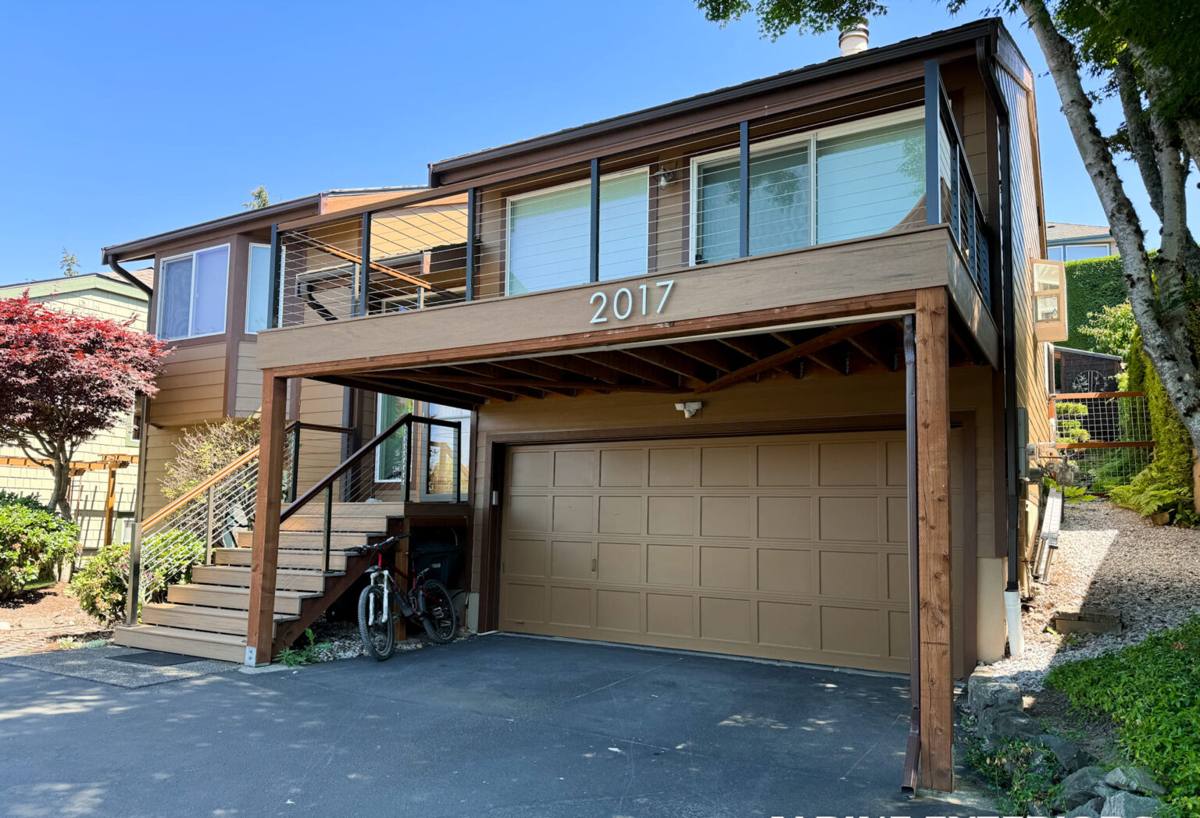
What We're Actually Seeing on Seminole Homes
When we inspect siding on Seminole properties, the same failure patterns show up again and again:
- Panel warping and buckling — common on older vinyl and some engineered wood products that weren't rated for this level of heat and humidity cycling
- Fading and chalking — UV breaking down the surface color, especially on south- and west-facing walls
- Soft or delaminating spots — moisture that got behind the siding and sat there, often around window and door penetrations
- Corroded fasteners and trim — salt air accelerates rust on anything not properly rated or protected
- Gaps at seams and corners — original caulking and trim work that has shrunk, cracked, or failed over time, giving wind-driven rain a path inward
None of these are cosmetic issues you can ignore. Once moisture gets behind siding in a humid climate like this one, it doesn't dry out the way it might in a drier region — it sits, and it spreads, often causing sheathing and framing damage long before the siding itself looks obviously bad from the street.
What a Correct Siding Replacement Actually Involves
Replacing siding is not simply swapping old panels for new ones. Done correctly, it's a full building-envelope job, and skipping any of these steps is exactly how homeowners end up with the same moisture problems five years later — just hidden behind a fresh coat of paint.
Tear-Off and Substrate Inspection
Every job starts with full removal of the old siding, not a re-side over existing material. This is the only way to actually see what's happening underneath — soft sheathing, rot around window openings, or prior water damage that's been hiding for years. In a climate as humid as Seminole's, this step matters more than in most parts of the country.
Repair Before Cover
Any damaged sheathing, framing, or trim gets repaired or replaced before a single new panel goes up. Covering rot with new siding just delays the problem and voids most manufacturer warranties anyway.
Weather-Resistive Barrier
A proper moisture barrier goes over the sheathing before siding installation — this is what actually keeps wind-driven rain from reaching your walls, and it's the layer most corner-cutting installs shortchange or install incorrectly.
Flashing at Every Penetration
Windows, doors, hose bibs, vents, and electrical penetrations all need proper flashing integrated with the weather barrier — not just caulk. This is the single most common source of moisture intrusion we find behind failing siding, and it's the detail that separates a correct install from a fast one.
Fastening to Spec
Manufacturer-specified fastener type, spacing, and depth matter — especially in a high-wind coastal county like Pinellas, where under-fastened siding is a real liability in storm season. Corrosion-resistant fasteners are non-negotiable this close to the Gulf.
Why We Install James Hardie Fiber Cement — and Nothing Else
We made a deliberate decision to only install James Hardie fiber cement siding. We don't install vinyl, LP SmartSide, Cemplank, Allura, or primed wood products like spruce or cedar, and we think Seminole homeowners deserve to understand why before they decide what goes on their own walls.
Vinyl siding is affordable and low-maintenance, but it's a plastic product that softens and can warp in extreme heat, and it offers little resistance to wind-driven debris in a storm. Engineered wood products like LP SmartSide perform well in many climates, but wood-based substrates are inherently more sensitive to sustained moisture exposure than fiber cement — and sustained moisture is exactly what this climate delivers. Primed wood siding (spruce, cedar) requires the most ongoing maintenance of any option and is the most vulnerable to the humidity and pest pressure common in Florida.
James Hardie fiber cement is a different category of product. It's non-combustible, dimensionally stable in heat and humidity, and engineered specifically for climates like ours through Hardie's HZ10 product line, which is formulated for high-humidity, high-moisture regions. The factory-applied ColorPlus finish is baked on under controlled conditions and holds color far better under intense UV than field-applied paint, which matters enormously given how much sun Pinellas County siding takes year-round. Hardie also backs the product with a strong transferable warranty — meaningful protection for a home you may not own forever.
None of this means other products are unusable everywhere — they have real trade-offs, not universal failures. It means that for the specific combination of salt air, UV, humidity, and wind this region delivers, we've concluded fiber cement is the product that holds up best over the long run, and it's the only thing we put our name behind.
Our Siding Replacement Process
- On-site inspection — we assess your current siding, look for underlying moisture or structural issues, and measure the full exterior
- Written estimate — a clear scope of work and cost breakdown, no vague allowances
- Product and color selection — walking through Hardie's plank profiles, textures, and ColorPlus palette for your home
- Tear-off and substrate repair — full removal of old siding and correction of any damage found underneath
- Weather barrier and flashing installation — the envelope work that actually determines how well the siding performs over time
- Hardie panel installation — installed to manufacturer fastening specs, with proper clearances and sealed penetrations
- Final walkthrough — trim, caulking, and cleanup reviewed with you before we consider the job done
What Siding Replacement Costs Depend On
Every Seminole home is different, so we won't quote a number without seeing the property, but these are the factors that actually move the price:
| Factor | Why It Matters |
|---|---|
| Home size and wall complexity | More corners, dormers, and trim details mean more labor and material |
| Substrate condition | Rot or moisture damage found during tear-off adds repair scope |
| Siding profile and texture | Lap width, shingle-style panels, and board-and-batten each price differently |
| Trim and accessory scope | Fascia, soffit, and window/door trim replacement adds to the job |
| Current siding removal | Some materials (multiple old layers, asbestos-era products) require extra handling |
| Story height and access | Two-story walls and tight lot lines affect equipment and labor time |
Broadly, fiber cement siding costs more upfront than vinyl but requires far less repainting and repair over its lifespan — the honest comparison is total cost of ownership, not just the install invoice.
Hiring a Crew That Actually Works Seminole
Siding contractors who work across a wide swath of the Tampa Bay area understand this region's climate demands in a way that out-of-state or seasonal crews often don't. Look for a contractor who can speak specifically to:
- How they detail flashing around windows and doors — ask them to walk you through it, not just say "we flash everything"
- What weather-resistive barrier they use and why
- Whether they tear off existing siding completely or install over it
- Their fastening spec and whether it accounts for our wind zone
- What warranty coverage applies to both material and labor
- Whether they're a licensed, insured Florida contractor who can produce proof on request
A contractor who's done this work up and down Pinellas County has already seen how salt air, storms, and humidity interact with different products and details — that experience shows up in fewer callbacks and a longer-lasting job.
Living With Hardie Siding After Installation
Fiber cement is low-maintenance, not no-maintenance. A little attention keeps it performing the way it's designed to:
- Rinse the exterior periodically to clear salt residue and airborne debris, especially on sides facing the water
- Inspect caulking at trim and penetrations annually and touch up as needed
- Keep sprinklers and irrigation from constantly wetting the same section of wall
- Trim back landscaping that traps moisture against the siding
- Address any impact damage promptly rather than letting it sit exposed
Compared to the repainting cycles vinyl discoloration or wood rot repair demand in this climate, that's a modest list — and it's a big part of why fiber cement holds its value over the long haul in a coastal county like this one.
Ready to Talk About Your Siding?
If your Seminole home's siding is showing its age — fading, warping, soft spots, or gaps that let weather in — we're happy to take a look and give you an honest read on what's going on and what it would take to fix it right. Reach out for a free, no-pressure estimate; there's a form right below to get started.