 St. Petersburg Window
 Disston Heights Decks Take a Different Kind of Beating
Disston Heights is an established, tree-shaded residential neighborhood inside St. Petersburg, and like the rest of Pinellas County it sits close enough to the water that "outdoor climate" and "coastal climate" are basically the same thing here. A deck in this part of Florida isn't just weathering rain and sun the way a deck in a landlocked state would — it's dealing with salt-laden air that speeds up corrosion in fasteners and hardware, UV exposure strong enough to break down wood fibers and fade or chalk lower-grade composites, wind-driven rain that gets pushed sideways under railings and into ledger connections, and the occasional hurricane-force wind event that tests every joint in the structure at once. None of that is unique to your house — it's the baseline every deck in this area has to survive, year after year.
What that means practically: a deck built to a generic national spec, with generic fasteners and no real attention to drainage, tends to show problems in this climate years before it would somewhere drier and cooler. Soft spots, rusted-out hardware, and railings that have gone spongy or loose are common findings on decks that are otherwise only 12–20 years old.
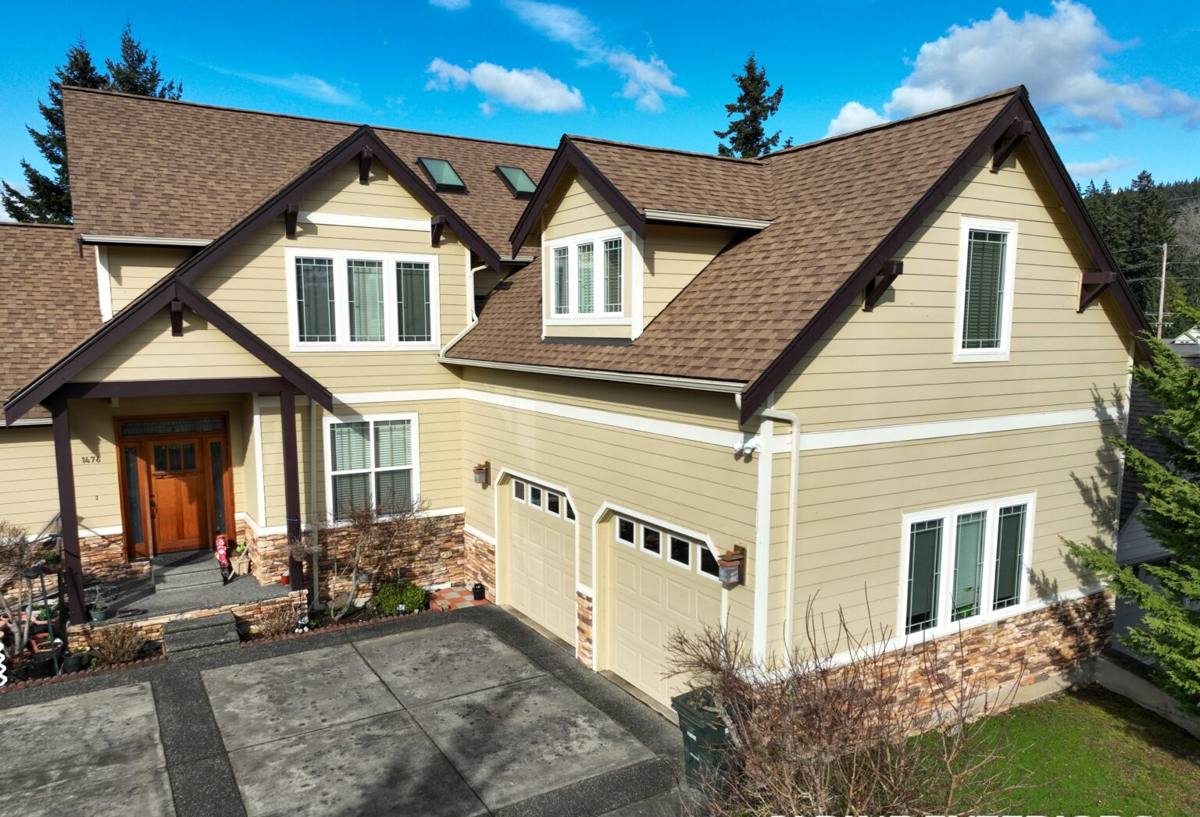
When a Deck Needs Replacement, Not Just Repair
Not every tired-looking deck needs a full teardown. But there's a point where patching boards and re-tightening railings is just delaying a bigger problem — and in some cases, masking a safety issue. A few signs that point toward replacement rather than repair:
- Soft, spongy, or spalling spots in the decking boards, especially near the house or around post bases
- Visible rust or corrosion on structural hardware — joist hangers, bolts, ledger fasteners
- A ledger board (where the deck attaches to the house) that's stained, soft, or separating slightly from the siding
- Railings or posts that flex or wiggle under normal pressure
- A structure that predates current attachment and flashing standards, even if the surface boards look fine
- Multiple past repairs that haven't solved the underlying moisture or structural issue
That last point matters more than people expect. If a deck has been repaired two or three times in the same spots, the problem usually isn't the boards — it's water getting somewhere it shouldn't, usually at the ledger connection or a post base, and no amount of board replacement fixes that on its own.
What a Correct Deck Replacement Actually Involves
The structure nobody sees is what actually matters
The decking surface — the boards you walk on — is the part everyone notices, but it's the least important part of a deck's long-term performance. What determines whether a deck lasts 10 years or 30 is the framing underneath: joist size and spacing appropriate for the span and load, a ledger board properly flashed and fastened to resist both gravity load and lateral pull-away forces, post footings set to the right depth for local soil and frost/wind conditions, and proper drainage so water sheds away from the structure instead of pooling against it.
Hardware and fasteners matter more here than almost anywhere
In a coastal Florida environment, the difference between standard galvanized hardware and true stainless or hot-dip galvanized, marine-rated hardware shows up within a few years, not decades. Salt air accelerates corrosion on anything undersized or under-coated. A correct rebuild uses fasteners and connectors rated for coastal/ACQ-treated lumber contact and for salt exposure — this is one of the areas where cutting corners is invisible on installation day and expensive to discover later.
Choosing Decking Material for This Climate
There's no single "best" decking material — there's a best fit for your budget, maintenance appetite, and how much direct sun and salt exposure the deck gets. Here's how the common options actually compare in a St. Petersburg backyard:
| Material | Upfront Cost | Maintenance | How It Handles This Climate |
|---|---|---|---|
| Pressure-treated wood | Lowest | Annual sealing/staining recommended | Affordable and repairable, but UV and humidity cycles cause checking, warping, and fastener wear faster here than inland |
| Composite decking | Mid to high | Occasional washing, no sealing | Resists rot and doesn't need staining; quality varies a lot by brand — cheaper composites can fade or absorb heat more than homeowners expect |
| Capped composite / PVC | Highest | Lowest — soap and water | Best resistance to moisture, salt air, and UV fading of the mainstream options; higher material cost offset by a much longer service life |
| Tropical hardwoods (e.g., ipe) | High | Periodic oiling to maintain color | Naturally dense and durable, but installation is less forgiving and hardware/fastening details have to be exact |
We're honest with clients about trade-offs rather than steering everyone toward the most expensive option. A pressure-treated deck maintained on schedule can serve a Disston Heights home well for a decade-plus. A composite or PVC deck costs more up front but removes the annual staining chore and generally holds up better against the UV and salt combination this area sees.
Permits and Code Considerations in Pinellas County
Deck replacement in St. Petersburg isn't a weekend project you can wing without paperwork — structural decking work typically requires a permit and inspection through the local building department, and Pinellas County's wind-load and attachment requirements are stricter than what you'd see in most of the country because of hurricane exposure. That affects ledger attachment methods, post spacing, railing height and baluster spacing, and sometimes footing depth depending on soil conditions on the lot. We pull the proper permits and build to current code rather than to what was acceptable when the original deck went up — codes have tightened over the decades specifically because of storm damage patterns seen in coastal Florida.
Our Deck Replacement Process
- On-site assessment. We inspect the existing deck's framing, ledger attachment, footings, and hardware condition — not just the surface boards — and tell you honestly whether repair or replacement makes sense.
- Material and design conversation. We walk through decking material options, railing style, and layout changes if you want any, with real cost and maintenance trade-offs for each.
- Permitting. We handle the permit application and scheduling of required inspections with the city.
- Demolition and structural rebuild. Old decking, framing, and any compromised ledger or footing components come out; the new structure goes in with coastal-rated hardware and correct flashing at the house connection.
- Decking, railing, and finish work. Surface material and railings are installed to spec, with attention to drainage and airflow underneath.
- Final inspection and walkthrough. We confirm the work passes required inspections and walk the finished deck with you before calling the job done.
What Deck Replacement Costs — and What Actually Changes the Price
Broad ranges only, since every deck is different — but the biggest cost swings come from a handful of factors, not from the labor itself:
| Cost Factor | Why It Moves the Price |
|---|---|
| Decking material chosen | Pressure-treated wood is the low end; capped composite/PVC and hardwoods run considerably higher per square foot |
| Size and footprint | Larger decks and multi-level designs need more framing, footings, and material overall |
| Structural condition found underneath | Rotted ledger boards, undersized footings, or corroded hardware discovered mid-project add real cost — this is why an honest upfront assessment matters |
| Railing style | Cable, glass, or custom railing systems cost more than standard baluster railing |
| Height and access | Elevated decks with stairs, or decks over difficult ground, need more structural work than a low, ground-level deck |
Keeping a New Deck Sound After Installation
A properly built deck in this climate still needs basic seasonal attention. A short list worth keeping on the fridge:
- Rinse off salt residue, pollen, and debris every few weeks, especially after storms
- Check railings and stair connections for looseness a couple of times a year
- Keep gutters and downspouts clear so runoff isn't dumping extra water onto or under the deck
- For wood decking, re-seal or re-stain on the schedule the product calls for — don't wait until it looks dry and gray
- Trim back vegetation that's shading the deck constantly and keeping it damp
- After any major storm, do a quick visual check of post bases and railings before assuming everything's fine
Why a Crew That Already Works in Disston Heights Matters
Deck replacement done right in this part of Florida isn't a generic carpentry job — it's a job that has to account for Pinellas County's wind and permitting requirements, salt-air corrosion on hardware, and drainage details that matter more here than in a dry inland climate. A crew that regularly works in and around St. Petersburg neighborhoods like Disston Heights already knows the local permitting process, has relationships with the building department, and has seen firsthand how decks in this area fail when they're built to a lower standard. That familiarity shows up in fewer surprises during the permit process and a structure built for the conditions it will actually face, not just the conditions on a spec sheet written for a different climate.
If your deck is showing its age or you're just not sure whether it's a repair or a replacement situation, we're happy to take a look. Reach out for a free, no-pressure estimate using the form below.