 St. Petersburg Window
 Why Old Northeast's Older Homes Need a Different Approach to Siding
Old Northeast is one of St. Petersburg's oldest established neighborhoods, and it looks the part — bungalows, Mediterranean Revival and Colonial Revival homes, mature oak canopy, and a level of architectural character you don't find in newer Pinellas County subdivisions. That character is exactly why siding replacement here needs more thought than a standard tear-off-and-reinstall job. Many of these homes still carry original wood siding, decades of repaint layers, and trim details that were never designed with Florida's current storm codes or building products in mind.
Replacing siding on a home like this isn't just a materials swap. It's an opportunity to fix decades of moisture intrusion the old siding was hiding, and to put something back on the walls that will actually hold up to what St. Petersburg's climate does to a house every single year — while still looking like it belongs on the block.
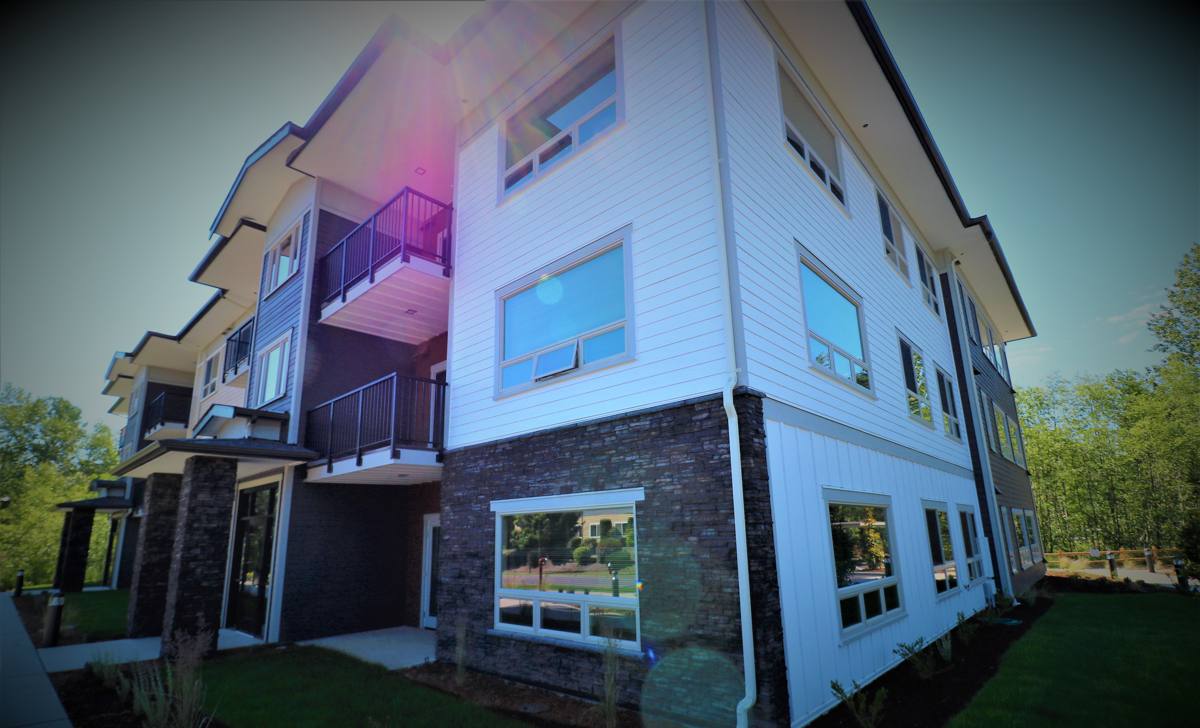
What St. Petersburg's Climate Does to Siding, Year After Year
Pinellas County sits on a peninsula surrounded by Tampa Bay and the Gulf, and that geography drives everything about how siding fails here. A few things are working against your walls at the same time, every year:
Hurricane-Force Wind
Even homes that never take a direct hurricane hit see repeated exposure to tropical-storm-force gusts. Wind doesn't just push on a wall — it gets up under loose laps, flexes panels, and works fasteners loose over time. Siding that isn't fastened to the right pattern for a coastal wind zone will loosen years before it visibly fails.
Wind-Driven Rain
St. Petersburg's storms rarely fall straight down. Rain gets pushed sideways into laps, seams, and trim joints, which is where most hidden rot starts. A siding system with weak lap coverage or poor flashing details will let water behind the cladding long before you see a stain on the surface.
Intense, Year-Round UV
Florida sun is stronger and more constant than in most of the country. UV breaks down paint film, dries out and cracks wood fibers, and causes some siding materials to fade, chalk, or warp unevenly depending on sun exposure on each side of the house.
Salt Air
Old Northeast sits close to the water, and salt-laden air travels well inland from the bay. Salt accelerates corrosion of fasteners, hardware, and any metal trim components, and it can also degrade certain finishes faster than they'd wear in a dry inland climate.
None of these forces are dramatic on their own in a single season. The problem is that they never stop, and older siding that was adequate when it was installed decades ago is rarely still performing the way it should.
Signs Old Northeast Siding Has Reached the End of Its Life
Because so many homes here have layered repaints over original wood, failure signs can hide in plain sight. Walk the exterior and look for:
- Soft, spongy, or crumbling spots when you press on the siding, especially near the bottom courses and around window and door trim
- Paint that's failing faster than it used to, or peeling in sheets rather than wearing evenly
- Visible cupping, warping, or separation at board joints
- Gaps opening up between siding and trim, window casings, or corner boards
- Dark streaking, staining, or a musty smell near exterior walls, which often points to moisture trapped behind the cladding
- Rust bleeding from nail heads or trim fasteners
- Insect activity or soft wood that suggests termite or rot damage, common in older wood-sided homes near mature trees
Any one of these on its own might be a repair. Several at once, especially combined with the home's age, usually means the siding system as a whole has stopped protecting the wall behind it.
Matching Replacement Siding to a Historic-Character Home
One of the biggest mistakes we see on older St. Petersburg homes is a siding replacement that solves the performance problem but wrecks the look of the house — wrong reveal size, flat trim where there used to be detail, or a board profile that reads as "generic" next to a home with real architectural presence. On a street like the ones in Old Northeast, that mismatch stands out.
A correct replacement respects the original lines of the house: matching the exposed reveal of the old lap siding as closely as practical, keeping trim widths and corner details consistent with the home's style, and choosing a color and finish that fits the era of the architecture rather than whatever happens to be in stock. This is also where it matters to know, or find out, whether a given block falls under any local architectural review — older St. Petersburg neighborhoods sometimes do, and it's worth confirming before work begins rather than after.
Why We Install Only James Hardie Fiber Cement
We don't offer vinyl, LP SmartSide, cedar, primed spruce, or other fiber cement brands. That's a deliberate standard, not a lack of options. In a climate like this one, the trade-offs of those other materials show up faster and cost more to live with than most homeowners expect:
| Factor | James Hardie Fiber Cement | Vinyl Siding | Wood / LP SmartSide |
|---|---|---|---|
| Hurricane wind performance | Engineered and tested for high-wind installation | Can deform, crack, or blow off in sustained high wind | Adequate if installed correctly, but fasteners loosen over time |
| UV and fade resistance | ColorPlus factory finish resists fading in intense sun | Fades and can become brittle under constant UV | Paint film breaks down faster under Florida sun |
| Moisture and rot behavior | Non-combustible, resists moisture-driven decay | Doesn't rot, but traps moisture behind it if installed poorly | Wood-based core is vulnerable to rot and swelling |
| Salt air / coastal exposure | Formulated for coastal and humid climates (HZ product lines) | Holds up to salt but can chalk and discolor | More susceptible to moisture-driven breakdown near the coast |
| Historic-look fidelity | Wide range of profiles and reveals to match older architecture | Limited profile options, often reads as modern/plastic | Can match profile well but requires heavy ongoing maintenance |
| Maintenance burden | Factory-finished, minimal repainting needed | Low maintenance but can't be easily repaired if damaged | Needs regular repainting and moisture monitoring |
James Hardie fiber cement is non-combustible, engineered in climate-specific HZ product lines (the version we install here is built for the Gulf Coast's heat and humidity), and finished with a factory-applied ColorPlus coating that holds color far longer than field-applied paint. It also carries a strong, transferable warranty — something that matters to buyers if you ever sell the home. We've standardized on it because it's the material that actually holds up to everything St. Petersburg's climate throws at a wall, without asking the homeowner to maintain it constantly.
What a Correct Siding Replacement Actually Involves
The siding itself is only part of the job. Most siding failures we find on older homes trace back to something behind the siding, not the material itself. A correct replacement includes:
- Full tear-off and inspection of the sheathing underneath, not just a look at the surface
- Repair or replacement of any rotted or damaged sheathing before new siding goes on
- Installation of a proper weather-resistive barrier to manage the wind-driven rain this area sees
- Correct flashing at every window, door, and roofline intersection, where most water intrusion actually starts
- Fastening to the pattern and schedule specified for our wind zone, not a generic nailing pattern
- Properly primed and sealed cut edges, since exposed raw edges are where fiber cement is most vulnerable to moisture
- Trim, caulking, and paint detail work that matches the home's existing architectural lines
Skip any one of these steps and the new siding can look right for a year or two while the same underlying problems that killed the old siding start over again underneath it.
Our Process for Old Northeast Homeowners
- On-site inspection. We assess the existing siding, check for moisture and substrate damage, and note architectural details worth preserving.
- Written proposal. You get a clear scope covering product line, color, trim details, and what substrate repair (if any) is included.
- Permitting. Siding replacement in St. Petersburg and Pinellas County typically requires a permit; we handle that process, including any additional review a home's location might call for.
- Tear-off and substrate repair. Old siding comes off, sheathing is inspected and repaired as needed, and the wall is prepped correctly before anything new goes up.
- Installation. James Hardie siding goes on to manufacturer spec and our coastal wind-zone fastening standard, with flashing and trim work done in sequence, not as an afterthought.
- Final walkthrough. We review the finished work with you, address any punch-list items, and make sure the details match what was agreed to upfront.
What Drives the Cost of a Siding Replacement Here
| Cost Factor | Why It Matters |
|---|---|
| Home size and wall area | More square footage means more material and labor, the most direct driver of total cost |
| Substrate condition | Hidden rot or moisture damage found during tear-off adds repair work before new siding can go on |
| Trim and architectural detail | Older homes with corner boards, decorative trim, or custom reveals take more time to match correctly |
| Number of stories and accessibility | Mature landscaping, narrow lots, and tight setbacks common in this neighborhood can slow staging and access |
| Product line and finish selected | Different Hardie profiles and ColorPlus finishes carry different material costs |
| Existing layers to remove | Homes with multiple past siding layers require more tear-off labor than a single-layer job |
Because so many of these factors depend on what's actually behind the existing siding, an accurate number only comes from an on-site look — not a phone estimate.
Why It Matters to Hire a Crew That Already Works This Neighborhood
A contractor who regularly works in Old Northeast already understands things that take other crews time to learn: how these older homes were framed, what kind of hidden damage tends to show up once the old siding comes off, how to work around mature trees and tight lots, and how to match trim and reveal details so the finished house still looks like it belongs. That familiarity also extends to the practical side — knowing the local permitting process for St. Petersburg and Pinellas County, and understanding what to expect if a property falls under any architectural review. None of that replaces a good inspection, but it does mean fewer surprises and a finished job that respects the character of the house, not just its wind rating.
If your Old Northeast home's siding is showing its age, we're happy to take a look and walk you through what we find — no pressure, no obligation. Fill out the form below to schedule a free estimate.