 St. Petersburg Window
 Siding Repair in Kenneth City: A Small Community With Big Weather Exposure
Kenneth City is a small, established residential community tucked inside Pinellas County, surrounded by St. Petersburg and the rest of the county's dense mid-peninsula neighborhoods. Like most of Pinellas County, it sits close enough to Tampa Bay and the Gulf of Mexico that homes take on the full menu of Florida coastal weather: hurricane-force wind events, wind-driven rain that gets pushed sideways into wall assemblies, and near-constant UV exposure for most of the year. Add in the humidity and salt-laden air that settles over the whole county, and you have conditions that are genuinely hard on exterior siding — regardless of what material a house happens to have on it.
Siding repair in a climate like this isn't just cosmetic patchwork. It's diagnosing why a section failed, fixing the actual cause, and making sure water can't get behind the wall again. That's the standard we hold every Kenneth City repair job to.
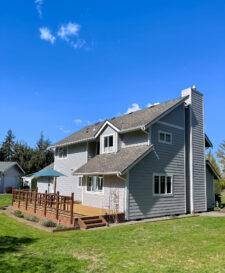
Common Siding Damage We See on Pinellas County Homes
Every neighborhood has its own patterns of wear, driven by the age of the housing stock and how the homes were originally built and maintained. Around Kenneth City and the surrounding St. Petersburg area, the issues we get called out for most often include:
- Wind-driven rain intrusion at butt joints, corners, and around window and door trim, where failed caulk or flashing lets water track behind the siding face.
- UV degradation — chalking, fading, and brittle caulk lines, especially on south- and west-facing walls that take the harshest sun all afternoon.
- Nail pops and buckling from thermal movement, common on siding that wasn't fastened to spec in the first place.
- Impact damage from storm debris, falling branches, or lawn equipment.
- Rot and soft spots near grade, especially where sprinklers hit the wall daily or where mulch beds hold moisture against the bottom courses.
- Mold and mildew staining in shaded, low-airflow areas — a near-universal issue in Pinellas County's humidity.
- Corroded fasteners on older installs that used standard (non-coastal-rated) nails or screws, which rust and stain the face of the siding.
None of these are unique to Kenneth City, but the combination of salt air, sustained UV, and tropical storm exposure means they show up sooner here than they would on a home a few hundred miles inland.
Repair or Replace? How We Help You Decide
Not every damaged section needs a full re-side, and we're not going to tell you it does. But there's a point where patch-repairing old, tired siding stops making financial sense. We walk every homeowner through the same honest framework:
| Factor | Leans toward repair | Leans toward replacement |
|---|---|---|
| Extent of damage | Isolated to one or two areas | Spread across multiple elevations |
| Age of existing siding | Under 10-15 years, sound underneath | Original siding from a much older build, or already showing widespread wear |
| Moisture history | No sign of trapped water behind the face | Soft sheathing, mold, or repeated water staining found during inspection |
| Material match | Compatible replacement panels or boards available | Discontinued profile, faded color, or a material we don't stock and can't reliably match |
| Underlying cause | A single fixable defect (bad caulk joint, one impact strike) | Systemic installation problems repeating across the wall |
When repair is the right call, we do the repair — we don't upsell a re-side a home doesn't need. When the damage points to a bigger underlying problem, we'll say so plainly and explain why, rather than patching over something that will just fail again in the next storm season.
What a Correct Siding Repair Actually Involves
It starts underneath the siding, not on top of it
A repair that only addresses what's visible on the surface is a repair that's likely to fail again. Before we replace a single board or panel, we check the water-resistive barrier and flashing underneath. If water got behind the siding once, we want to know how it got in and whether the barrier underneath was compromised — because replacing the face without fixing that path just resets the clock on the same failure.
Fasteners matter more here than most places
Given the salt content in the air across Pinellas County, we use corrosion-resistant fasteners rated for coastal exposure. Standard fasteners will rust, streak the siding face, and eventually lose their grip — a shortcut that shows up as a callback a couple of years down the road.
Sealant and flashing details, not just caulk over a gap
Butt joints, corners, and penetrations (like hose bibs or light fixtures) need the right flashing and a sealant compatible with the siding material — applied correctly, not smeared over a crack as a quick fix.
Finish matching
Color and sheen matching is one of the most visible parts of a repair. We factor this into the repair-or-replace conversation up front, so there are no surprises about how a repaired section will look next to the surrounding wall.
Why We Repair — and Install — Only James Hardie Fiber Cement
We get asked why we don't just patch whatever's already on the house with vinyl, LP SmartSide, or another engineered wood product, and the honest answer is that we've standardized our crews and our warranty work around one system: James Hardie fiber cement. Here's the real trade-off reasoning, not a sales pitch:
- Vinyl is inexpensive and low-maintenance, but it's a poor match for hurricane-force wind exposure — panels can crack, warp, or blow off in high wind, and faded panels are nearly impossible to color-match years later.
- LP SmartSide and other engineered wood products perform reasonably when installation and maintenance are perfect, but they're more sensitive to moisture at cut edges and repair seams — exactly the failure points we're called out to fix.
- Primed wood or cedar siding needs ongoing repainting and is naturally more vulnerable to the sustained humidity and rot pressure this climate creates.
James Hardie fiber cement is non-combustible, holds up to wind-driven rain and salt air far better than wood-based alternatives, and its ColorPlus factory finish resists the UV fading that eats through field-applied paint. It's also backed by a strong, transferable warranty. When a repair calls for new material — whether it's a full panel replacement or a larger patch — Hardie is what we put on the wall, and it's what we recommend when a homeowner's existing siding has reached the end of its useful life.
Our Kenneth City Siding Repair Process
- Inspection. We look at the damaged area and the wall assembly behind it, not just the visible defect.
- Moisture check. Where there's any sign of past water intrusion, we check the sheathing and barrier condition before quoting the repair.
- Honest scope. You get a straight answer on whether this is a spot repair, a section replacement, or a conversation about full re-siding — with the reasoning explained.
- Material sourcing. For Hardie repairs, we match profile, exposure, and finish as closely as the existing installation allows.
- Repair work. Flashing and barrier corrected first, then new siding fastened with coastal-rated hardware, then joints sealed correctly.
- Cleanup and walkthrough. We don't consider the job done until you've seen it and are satisfied with the result.
Why Local Experience in This Neighborhood Matters
Kenneth City and the surrounding St. Petersburg area have a housing stock that spans several decades of construction practices, which means the siding underneath a homeowner's current exterior isn't always what it appears to be from the street. A crew that regularly works this part of Pinellas County has seen the common original materials, the typical failure points tied to this area's storm and sun exposure, and the permitting expectations that come with exterior work here. That familiarity shortens the inspection process and reduces the chance of surprises once a wall is opened up. It also means a faster response when storm damage needs to be assessed and documented quickly, rather than waiting on a crew that has to learn the area's conditions from scratch.
A Quick Checklist Before You Call for a Repair Estimate
- Note which side(s) of the house the damage is on (sun exposure and wind direction both matter for diagnosis).
- Look for staining, soft spots, or bubbling paint near the damaged area — these can indicate moisture behind the wall.
- Check whether the damage followed a specific storm or has developed gradually.
- Have a rough idea of the age of your current siding, if known.
- Take photos of the affected area in daylight, if it's safe to do so.
- List any recent related issues — interior water stains, musty smells, or pest activity near exterior walls.
Bringing this information to your estimate helps us give you a faster, more accurate scope — and a clearer answer on repair versus replacement.
Get a Free, No-Pressure Estimate
If you're dealing with damaged, aging, or failing siding on a Kenneth City home, we're happy to take a look and give you an honest assessment — repair, partial replacement, or full re-side, whichever the wall actually needs. There's no obligation and no pressure. Fill out the form below and we'll schedule a time to come out.