 St. Petersburg Window
 New-Construction Windows for Bartlett Park Homes
Bartlett Park is seeing its share of new builds, additions, and full teardown-rebuilds like the rest of south St. Petersburg. When a house is going up from a bare foundation or an addition is being framed, the windows aren't dropped into an existing hole the way they are on a replacement job — they're built into the structure from the studs out. That's a different trade with different tolerances, different code requirements, and a different set of things that go wrong if it's rushed. This page covers what new-construction window work actually involves in Bartlett Park specifically, and why it matters that the crew doing it already understands this stretch of Pinellas County.
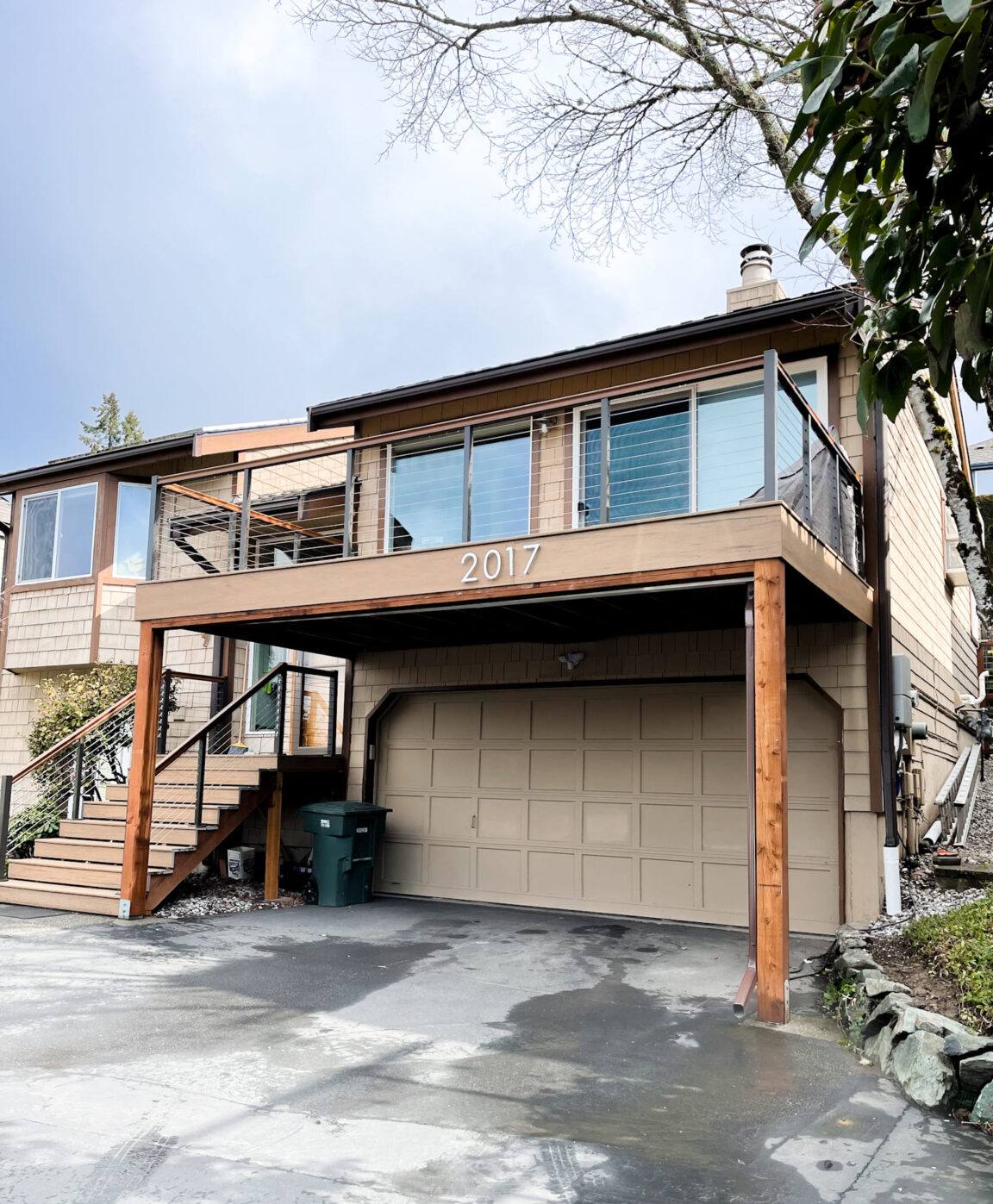
New Construction vs. Replacement: Why the Distinction Matters
A replacement window is sized to fit into an existing frame with the exterior finish already in place around it — the work is mostly about the window unit itself and sealing the perimeter. A new-construction window is different: it has a nailing fin (or flange) that gets fastened directly to the sheathing before siding, stucco, or brick veneer goes on. The window becomes part of the building envelope, not something added to it later.
That means new-construction installation has to be coordinated with the framer, the weather-resistant barrier (house wrap or building paper), the flashing sequence, and whoever is doing the exterior finish — all before the building is closed in. Get this stage wrong and the mistake gets buried behind drywall and siding for the life of the house. There's no going back to "fix it later" without tearing into finished walls.
What This Means on a Bartlett Park Job Site
- Windows are installed at the framing stage, before insulation, drywall, or exterior cladding.
- Flashing and water management have to be done in the correct order — window, then flashing tape, then house wrap lapped over the top flange — not improvised.
- Rough openings must be square, level, and sized to the manufacturer's tolerances, or the window will never seal or operate correctly.
- Scheduling has to fit into the builder's or general contractor's overall timeline, since framing, roofing, and dry-in all depend on it.
What Pinellas County's Climate Demands From These Windows
St. Petersburg sits on a peninsula surrounded by Tampa Bay and the Gulf, and Bartlett Park's homes take the same weather exposure as the rest of the city. Four things drive how a new-construction window install needs to be done here:
- Hurricane-force wind: Pinellas County is in a wind-borne debris region under the Florida Building Code, which sets minimum design pressure and impact-resistance requirements for exterior openings. New windows have to be rated and installed to hold up under sustained high wind, not just look the part.
- Intense, year-round UV: Florida sun degrades vinyl, seals, and glazing compounds faster than in most of the country. Frame materials and glass coatings that aren't UV-stable will chalk, discolor, or fail early.
- Wind-driven rain: Tropical storms and summer downpours don't just fall straight down here — wind pushes rain sideways into wall assemblies. Flashing details that work in drier climates aren't enough; the water management sequence has to assume rain is coming in at an angle.
- Salt air: Even a few miles inland from the bay, airborne salt accelerates corrosion on hardware, fasteners, and certain frame finishes. Materials and fasteners need to be chosen with that in mind, not just standard-grade builder stock.
A window that's correctly rated and installed handles all four. A window that's installed fast to keep a build schedule moving, without attention to these details, is the one that leaks or fails in the first named storm.
Florida Building Code and Wind Load Basics
Every new-construction window installed in Pinellas County has to meet the wind load and impact requirements set by the Florida Building Code for the wind-borne debris region. In practice that means each window carries a Florida Product Approval or Miami-Dade NOA (Notice of Acceptance) rating showing it's been tested for the design pressures required at that address, and it's either impact-rated glass or paired with code-compliant protection.
These requirements aren't optional add-ons — they're what gets a project through inspection and what the building official signs off on before the house can be closed in. On a new build, the window schedule (which window goes where, at what rating) is usually set by the plans, but it still has to be verified against the actual products being installed, not assumed. We check product approval numbers against the specific opening sizes and elevations on the plan before anything goes into a wall.
Our New-Construction Installation Process
1. Plan Review and Product Selection
We start from the architectural plans or the builder's window schedule, confirm sizes, swing/operation types, and required wind pressure ratings for each opening, and match products that meet or exceed those specs.
2. Rough Opening Verification
Before a single window goes in, we check that framed openings are square, plumb, and correctly sized. Framing tolerances get caught here — not after the window is set.
3. Flashing and Water Management
Sill pan flashing goes in first, then the window, then side and head flashing tape lapped in the correct shingle-style order so water sheds outward, then the house wrap is integrated over the top flange. This sequence is the single biggest factor in whether a new-construction window ever leaks.
4. Fastening to Manufacturer Spec
Nailing fins are fastened at the spacing and fastener type the manufacturer's product approval requires — this is what the wind rating is actually tested against. Skipping fasteners or spacing them wrong voids the rating even if the window itself is correct.
5. Air and Water Seal
Interior and exterior sealant beads, backer rod where needed, and insulation around the frame (without over-packing, which can bow vinyl frames) close out the opening.
6. Documentation for Inspection
We keep product approval labels intact and provide the documentation the building inspector needs to sign off on the window installation before the house is closed in.
Choosing Window Products for a Bartlett Park Build
Frame material and glass package both matter more here than in a lot of the country. We generally steer builds toward impact-rated vinyl or aluminum frames with Low-E, UV-stable glazing, and corrosion-resistant hardware — and we're upfront about trade-offs rather than pushing one product as universally best.
| Frame Material | Wind/Impact Performance | Salt Air Resistance | Maintenance |
|---|---|---|---|
| Vinyl (impact-rated) | Strong when properly reinforced | Good — won't corrode | Low; won't need repainting |
| Aluminum | Very strong, common for larger openings | Needs quality finish/coating to resist pitting | Low to moderate |
| Wood-clad | Good, depends on cladding integrity | Vulnerable if cladding is compromised | Higher — exposed wood elements need upkeep |
| Fiberglass | Strong, dimensionally stable | Good | Low |
We don't install products whose maintenance burden or moisture behavior works against this climate — that's a standard we hold to on every job, not a knock on any one manufacturer. The honest answer is that the right choice depends on the elevation, the exposure, and the builder's overall spec, and we'll walk through those trade-offs plainly rather than upsell a single line.
Working With Your Builder or General Contractor
On most new-construction jobs, we're not the only trade on site — we're coordinating with the framer, the roofer, and whoever's doing exterior finish, all working off the same schedule. That coordination matters more in a place like Bartlett Park because the dry-in window (the period between framing and the building being fully wrapped and closed) is when the structure is most exposed to Florida's afternoon storms. We work to get windows in promptly once openings are ready and framed correctly, so the house isn't sitting exposed longer than it needs to be.
If you're a homeowner working directly with a general contractor on a custom build or addition in Bartlett Park, we're glad to coordinate directly with your GC's schedule rather than requiring you to manage that handoff yourself.
Common Mistakes We See — and Avoid
- Flashing installed out of sequence, so water is directed behind the barrier instead of over it.
- Fasteners spaced wider than the product approval allows, which quietly voids the wind rating.
- Rough openings that are out of square, forcing the window to be racked to fit — which stresses the frame and hardware.
- Sealant used as a substitute for proper flashing instead of a backup to it.
- Product approval labels removed or lost before inspection, causing delays.
- Windows ordered to the wrong wind pressure rating for their specific elevation on the plan.
Cost Factors on a New-Construction Window Job
| Factor | How It Affects Cost |
|---|---|
| Number and size of openings | More/larger openings mean more material and labor |
| Wind pressure rating required | Higher-rated impact glass costs more than standard |
| Frame material | Vinyl is typically most economical; aluminum and wood-clad cost more |
| Custom shapes or sizes | Non-standard openings (arches, oversized units) add cost |
| Site coordination complexity | Multi-trade scheduling on a tight build timeline can add cost |
We don't quote new-construction window packages without seeing the actual plans and window schedule — pricing swings too much based on opening count, size, and required ratings to give a meaningful number without that.
Why a Crew That Already Works Bartlett Park Matters
Every neighborhood in St. Petersburg has its own mix of lot exposure, building age, and permitting quirks with the county and city offices. A crew that's already done new-construction window work in and around Bartlett Park knows the wind-borne debris region requirements that apply here, has a working relationship with local inspectors' expectations, and understands how exposed a job site gets during a typical Gulf Coast summer storm season. That familiarity shows up in fewer inspection delays, tighter coordination with your builder, and a window install that's sized and rated correctly the first time — not a lesson learned on your house.
If you're planning new construction or an addition in Bartlett Park, we're happy to review your window schedule and walk through options — no pressure, no obligation. Fill out the form below for a free estimate.