 St. Petersburg Window
 Old Northeast Has Its Own Siding Problem to Solve
Old Northeast is one of the older, more established neighborhoods in St. Petersburg, and that shows in the housing stock: bungalows, Mediterranean Revival homes, and early-to-mid-century construction sitting under a heavy canopy of mature oak trees, many just blocks from the water. That combination — an older wood-frame or masonry structure, deep shade from tree cover, and proximity to Tampa Bay — creates siding conditions that a newer subdivision on the other side of Pinellas County simply doesn't deal with in the same way.
Homes here often still have their original wood clapboard or an aging replacement product that was never rated for this kind of long-term exposure. When that siding starts to go, it's rarely one single problem — it's UV-baked paint, moisture trapped by shade, and wind and salt working on it at the same time. Any siding job in this neighborhood needs to account for all three, not just patch the part that's visibly failing.
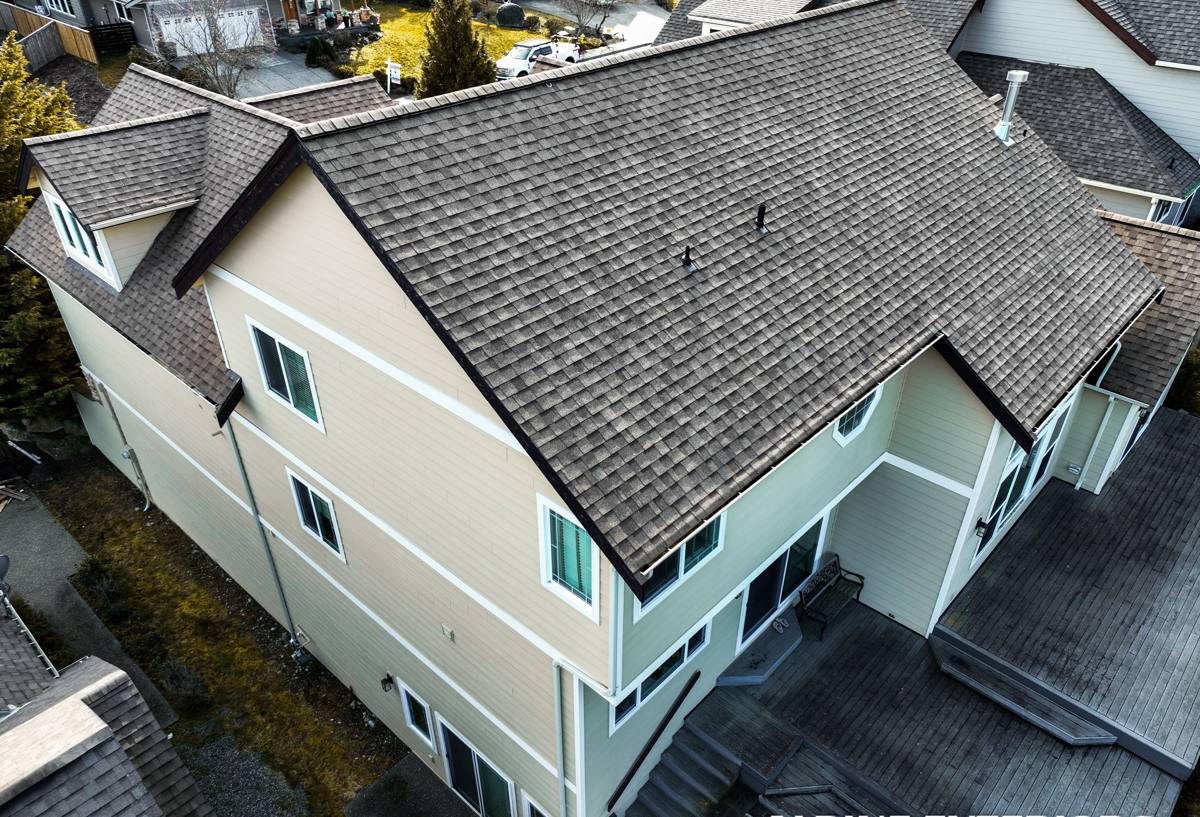
What the Local Climate Actually Does to Siding
Pinellas County sits in a hurricane-exposed coastal zone, and St. Petersburg homes take a specific combination of punishment year-round, not just during storm season.
Wind
Sustained hurricane-force winds and the debris they carry can crack, lift, or tear off siding that isn't rated for high wind exposure or wasn't fastened correctly to begin with. Older homes with original wood siding or aging vinyl are frequently the first to show wind damage in a storm.
UV
Florida sun is intense and constant. Paint film breaks down faster here than almost anywhere else in the country, and cheaper siding substrates can warp, fade unevenly, or become brittle under sustained UV load — a slower failure than storm damage, but just as costly over time.
Wind-Driven Rain
Rain that comes in sideways during a squall or tropical system finds every gap in flawed flashing, caulking, or lap overlap. Once water gets behind the siding, it doesn't dry out quickly under Old Northeast's tree canopy, which sets up the conditions for rot and mold.
Salt Air
Even a few miles inland from Tampa Bay, salt-laden air accelerates corrosion of fasteners and metal trim, and it degrades certain siding finishes faster than manufacturers' warranties account for.
Why We Install Only James Hardie Fiber Cement Siding
We made a deliberate decision as a company to install one siding system — James Hardie fiber cement — and not vinyl, LP SmartSide, Cemplank, Allura, primed spruce, or cedar. That's not a marketing preference; it's a response to what actually holds up in this climate.
Vinyl softens, sags, and can crack in sustained heat and wind load, and it has no real fire resistance. LP SmartSide and other wood-strand composite products depend heavily on unbroken edge sealing to resist moisture — the same wind-driven rain and humidity that Old Northeast homes deal with constantly. Real cedar and primed spruce are handsome but demand a maintenance schedule most homeowners can't keep up with in a climate this harsh, and they're combustible. Fiber cement is none of those things: it's non-combustible, dimensionally stable in heat and humidity swings, and engineered specifically for high-moisture, high-UV climates in Hardie's HZ5 product line, which is built for exactly the wind, rain, and humidity profile of the Gulf Coast.
The factory-applied ColorPlus finish also matters more here than it would in a drier climate. Field-applied paint is the first thing UV and salt air attack; a baked-on factory finish resists fading and chalking far longer, and it's backed by its own warranty separate from the substrate warranty.
What a Correct Installation Involves
Fiber cement siding is only as good as the installation behind it. A rushed or corner-cut job on a Hardie product will fail in the same ways a cheaper product would, just more expensively. On an Old Northeast home, the details that matter most are:
Tear-Off and Substrate Check
We remove the existing siding down to the sheathing and inspect for rot, insect damage, or moisture intrusion that's common on older homes in shaded, humid lots. Anything compromised gets repaired before new siding goes on — covering over a bad substrate just hides the problem.
Moisture Barrier and Flashing
A correctly lapped weather-resistive barrier, properly integrated window and door flashing, and rain-screen detailing where called for are what actually keep wind-driven rain from reaching the wall assembly. This is the step that gets skipped most often on lower-bid jobs, and it's the one that determines whether the siding lasts 30 years or leaks in five.
Fastening for Wind Zone
Fastener type, spacing, and placement have to match Hardie's published specifications for our wind exposure category — not a generic pattern. This is what keeps panels attached in a hurricane-force wind event instead of becoming airborne debris.
Reveal and Trim Matching
Many Old Northeast homes have a specific clapboard reveal and trim profile tied to their original architectural style. We match reveal width and corner/trim detailing so the new siding reads as consistent with the home's character rather than looking like an obvious retrofit — important both for curb appeal and for any historic district guidelines that may apply to exterior changes in the neighborhood.
Our Process, Start to Finish
- On-site assessment — we walk the whole exterior, check for rot and moisture damage, and note tree cover, drainage, and sun exposure specific to the lot.
- Product and color selection — choosing the right HardiePlank, HardiePanel, or HardieShingle profile and ColorPlus finish for the home's style.
- Tear-off and substrate repair — removing old siding and fixing anything compromised underneath before covering it.
- Weather barrier and flashing installation — the moisture-management layer that does the real long-term work.
- Siding installation to manufacturer spec — fastening pattern, clearances, and joint treatment matched to our wind exposure.
- Trim, caulking, and final finish — detail work around windows, corners, and eaves.
- Cleanup and final walkthrough — job site cleared, siding inspected with the homeowner before we call it done.
Cost Factors for a Fiber Cement Siding Job
Every home is different, but these are the factors that most often move a fiber cement siding estimate up or down in a neighborhood like Old Northeast:
| Factor | Why It Affects the Estimate |
|---|---|
| Square footage and number of stories | More surface area and taller walls mean more material and labor, plus added equipment for upper-story access. |
| Condition of existing sheathing | Rot or moisture damage found during tear-off on older homes often needs repair before new siding can go on. |
| Trim and architectural detail | Bungalow and Mediterranean Revival details — decorative trim, multiple roof lines, dormers — add labor time versus a simple flat wall. |
| Site access | Mature tree canopy, tight side yards, and close-set lots common in this neighborhood can slow staging and material handling. |
| Siding profile and finish | Lap width, shingle-style siding, and custom ColorPlus color options carry different material costs. |
| Full vs. partial replacement | Re-siding an entire home costs more up front than replacing damaged sections, but avoids mismatched material and finish down the road. |
Why It Matters to Hire a Crew That Already Works in Old Northeast
A crew that's installed siding on other homes in this neighborhood already knows the practical realities: how tree cover affects drying time and moisture management, how older sheathing tends to hold up (or not) once it's exposed, and what reveal widths and trim styles read as correct on this style of home. That's knowledge that shows up in the finished job, not just in the sales pitch.
It also matters for permitting and code compliance. St. Petersburg and Pinellas County fall within Florida's high-velocity hurricane zone requirements for exterior work, which means siding installation has to meet specific wind-load and fastening standards, and permits are typically required for a full re-side. A contractor who pulls permits routinely in this jurisdiction moves through that process without it becoming the homeowner's problem to manage.
Maintaining Fiber Cement Siding in This Climate
One of the reasons we recommend Hardie fiber cement is how little upkeep it demands compared to wood or vinyl — but "low maintenance" doesn't mean zero maintenance, especially under Old Northeast's tree canopy and salt air exposure. A simple annual routine keeps it performing for decades:
- Rinse the siding down once or twice a year to clear pollen, salt residue, and organic buildup from tree cover
- Check caulking around windows, doors, and trim annually for cracking or gaps
- Keep gutters clear so water isn't sheeting down the siding face
- Trim back tree branches and shrubs that trap moisture against the wall
- Inspect after any major storm for cracked panels, loose fasteners, or lifted trim
- Repaint only if needed — factory ColorPlus finish typically outlasts field-applied paint by years
If your Old Northeast home's siding is showing its age — or you're just ready to stop worrying about the next storm season — we're happy to take a look and walk you through what a correct fiber cement installation would involve on your specific home. Reach out for a free, no-pressure estimate using the form below.