 St. Petersburg Window
 Pinellas Park Roofs Take a Real Beating
Pinellas Park sits inland from the Gulf beaches but between Tampa Bay and the coast, which does not spare it from Florida's weather — it just changes which parts hit hardest. Homes here deal with the same hurricane-force wind gusts, sudden wind-driven downpours, and months of intense, direct UV that the rest of Pinellas County gets, plus the salt-laden air that drifts inland off the bay and the Gulf and slowly works on metal fasteners, flashing, and vent boots. A roof that looks fine from the driveway can already have granule loss, lifted shingle tabs, or a flashing seam that's starting to let water track under the deck.
None of that means every roof in Pinellas Park needs to be replaced. Most of the time it needs the right repair, done correctly, before a small problem turns into a deck or interior ceiling problem. That's the job we focus on here: identifying what's actually wrong, fixing it the right way, and being honest when a repair isn't the right long-term answer.
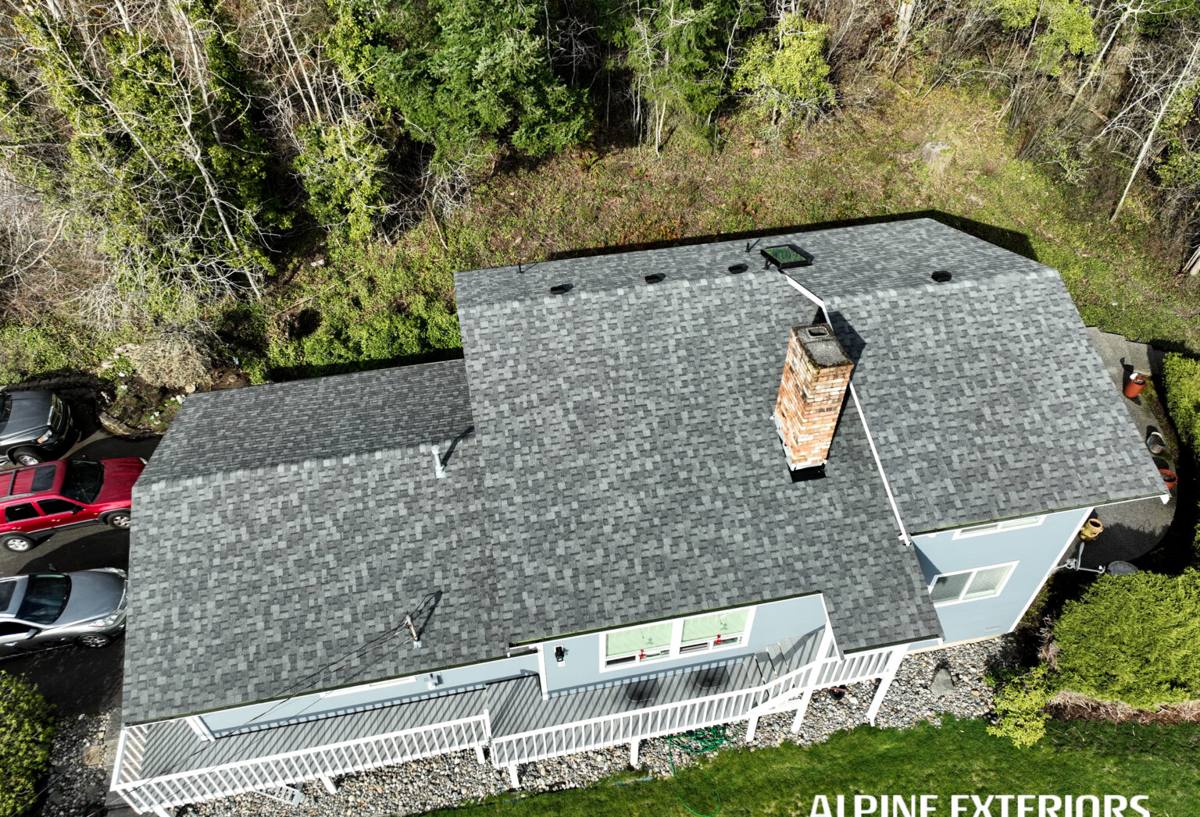
The Roof Problems We See Most Often Here
Every roof is different, but in Pinellas Park a handful of issues show up again and again, almost always tied back to sun, wind, and moisture:
- Lifted or missing shingles after a wind event, especially along ridges, eaves, and rake edges where uplift is strongest
- Cracked or brittle sealant around vent boots, pipe collars, and skylight curbs from years of direct UV exposure
- Flashing leaks at roof-to-wall intersections, chimneys, and valleys, often worse after wind-driven rain comes in at an angle rather than straight down
- Granule loss and UV-brittle shingles on south- and west-facing slopes that take the most sun through the day
- Corroded fasteners and flashing where salt air has accelerated rust on nails, screws, or metal drip edge
- Soffit and fascia damage from long-term moisture intrusion that isn't obvious until paint starts bubbling or wood goes soft
Any one of these can be a straightforward repair if it's caught early. Left alone through another storm season, several of them turn into deck rot, soaked insulation, or interior drywall damage — the kind of repair that costs several times more than the roof work would have.
What a Correct Roof Repair Actually Involves
Diagnosis Before Any Patch
A repair is only as good as the diagnosis behind it. Water rarely shows up directly under where it entered — it travels along the deck, a rafter, or a layer of underlayment before it drips somewhere visible inside. That means a stain on a ceiling in one room can trace back to a flashing failure several feet away on the roof. We get on the roof, look at the deck where accessible, and trace the actual path of the problem instead of just patching the spot that's leaking indoors.
Matching Materials and Fastening Methods
Shingles, underlayment, and flashing all need to match what's already on the roof in type, profile, and in the case of shingles, as close a color match as we can get. Mixing incompatible materials — the wrong flashing metal against the wrong fastener, for example — can set up galvanic corrosion that creates a new leak point a year or two later. Fastening pattern matters just as much: nails placed too high, too low, or too few per shingle are one of the most common reasons a "repaired" roof lifts again in the next round of high wind.
Flashing and Sealant Done Right, Not Just Reapplied
A lot of call-backs we see on other contractors' work come down to sealant used as a substitute for proper flashing instead of a supplement to it. Caulk and roofing cement break down under UV faster than most homeowners expect, especially on south- and west-facing slopes. Where flashing has failed, we replace it; we don't just smear more sealant over the old piece and call it done.
Leaving a Documented Trail
For anything storm-related, we document the damage and the repair with photos and a written scope before and after the work. If you end up filing an insurance claim, that record matters — adjusters respond better to clear documentation than to a verbal description of what used to be wrong.
Repair or Replace? How We Help You Decide
Not every damaged roof needs to come off. The honest answer depends on the roof's age, how widespread the damage is, and what's happening underneath the shingles. Here's roughly how we weigh it:
| Factor | Leans Toward Repair | Leans Toward Replacement |
|---|---|---|
| Roof age | Under roughly 12-15 years, within expected lifespan | At or past the shingle manufacturer's rated life |
| Extent of damage | Isolated to one slope, valley, or penetration | Spread across multiple slopes or the whole roof |
| Deck condition | Solid, dry decking under the damaged area | Soft, delaminated, or water-stained decking |
| Shingle condition elsewhere | Rest of the roof still has good granule coverage and flexibility | Widespread granule loss, curling, or brittleness |
| Storm history | First significant damage the roof has taken | Repeated repairs after successive storm seasons |
We'll walk you through where your roof actually falls on this before recommending either path — the goal is the right call for your situation, not the bigger invoice.
Our Roof Repair Process
- Inspection. We get on the roof (and into the attic when accessible) to trace the actual source of the problem, not just the visible symptom.
- Written scope and estimate. You get a clear explanation of what's wrong, what we're going to do about it, and what it costs before any work starts.
- Material matching. We source shingles, flashing, and underlayment that match your existing roof as closely as possible.
- The repair itself. Damaged materials come out, decking is checked and repaired if needed, and new materials go in using proper fastening and flashing techniques — not shortcuts.
- Cleanup and inspection. We clear debris, check the work, and confirm the area is sealed and weather-tight before we consider the job done.
Materials We Work With
Most repairs in Pinellas Park involve asphalt shingle roofs, since that's the majority of the housing stock in this part of the county, but we also work on metal and tile roofing repairs. Each has different repair considerations:
Asphalt shingle is the most common and generally the most straightforward to repair section by section, provided we can source a reasonably close match. Metal roofing repairs are usually about fastener condition, seam integrity, and any spots where coating has worn through and started to rust — metal handles wind well but needs its seams and fasteners checked after major storms. Tile roofing repairs are more particular: the tiles themselves often outlast the underlayment beneath them, so a "tile leak" is frequently an underlayment failure that requires carefully lifting and resetting tile rather than just replacing what looks broken. We'll tell you plainly which category your roof falls into and what that means for the repair.
Permits and Pinellas County Considerations
Roof repair work in Pinellas Park typically requires a permit once the scope goes beyond very minor patching, and that permit is pulled through the appropriate local building department. We handle that process as part of the job rather than leaving it on the homeowner. If your repair is storm-related, keep in mind that Florida's building code and wind mitigation standards have gotten more specific over the years about how flashing, underlayment, and fastening are supposed to be done — a repair that ignores current code can create problems later with insurance or with a future home sale. If you're not sure whether your existing wind mitigation inspection is still accurate after a repair, that's worth checking with your insurance agent once the work is complete.
Signs You May Need a Roof Repair
Most roof problems give some warning before they become a leak indoors. Worth checking after any significant storm, or once or twice a year as routine maintenance:
- Shingles that look lifted, curled, or are missing entirely, especially near edges and ridges
- Granules collecting in gutters or at the base of downspouts
- Dark streaks, stains, or soft spots on ceilings, especially after heavy rain
- Daylight visible through the attic roof deck
- Cracked or peeling sealant around vent pipes, skylights, or chimneys
- Sagging sections of roofline or soffit/fascia that looks discolored or swollen
- A musty smell in the attic that wasn't there before
Any one of these on its own doesn't necessarily mean a major problem, but it's worth having someone actually look rather than waiting to see if it gets worse.
Why a Crew That Already Works in Pinellas Park Matters
A roof repair contractor who works Pinellas County regularly knows what this climate actually does to roofing materials over time — which slopes take the worst UV exposure, how salt air tends to show up first in fasteners and flashing rather than the shingles themselves, and what a properly wind-rated repair needs to look like to hold up through the next storm season. That local experience shows up in fewer callbacks and repairs that are built for what this area actually throws at a roof, not a generic patch job. It also means we're not learning the local permit process or code requirements on your project — that part is already routine for us.
If you've got a roof issue in Pinellas Park — whether it's a suspected leak, storm damage, or just something that doesn't look right — we're happy to take a look and give you a straightforward, no-pressure estimate. Fill out the form below and we'll get back to you.