 St. Petersburg Window
 New-Construction Windows for Pinellas Point Homes
Pinellas Point sits on the water on the south end of St. Petersburg, which means homes here take a harder hit from the elements than houses further inland. Whether you're finishing a new build, closing in an addition, or gutting a house down to the studs, the windows going into those rough openings have to be installed correctly the first time. New-construction windows aren't just "the same window, but new" — they go in differently than a replacement unit, and getting that installation right matters more here than in most parts of the country.
This page covers what new-construction window installation actually involves, what Pinellas County's climate demands from the job, and why it pays to hire a crew that already knows this part of St. Petersburg rather than a general contractor working the area for the first time.
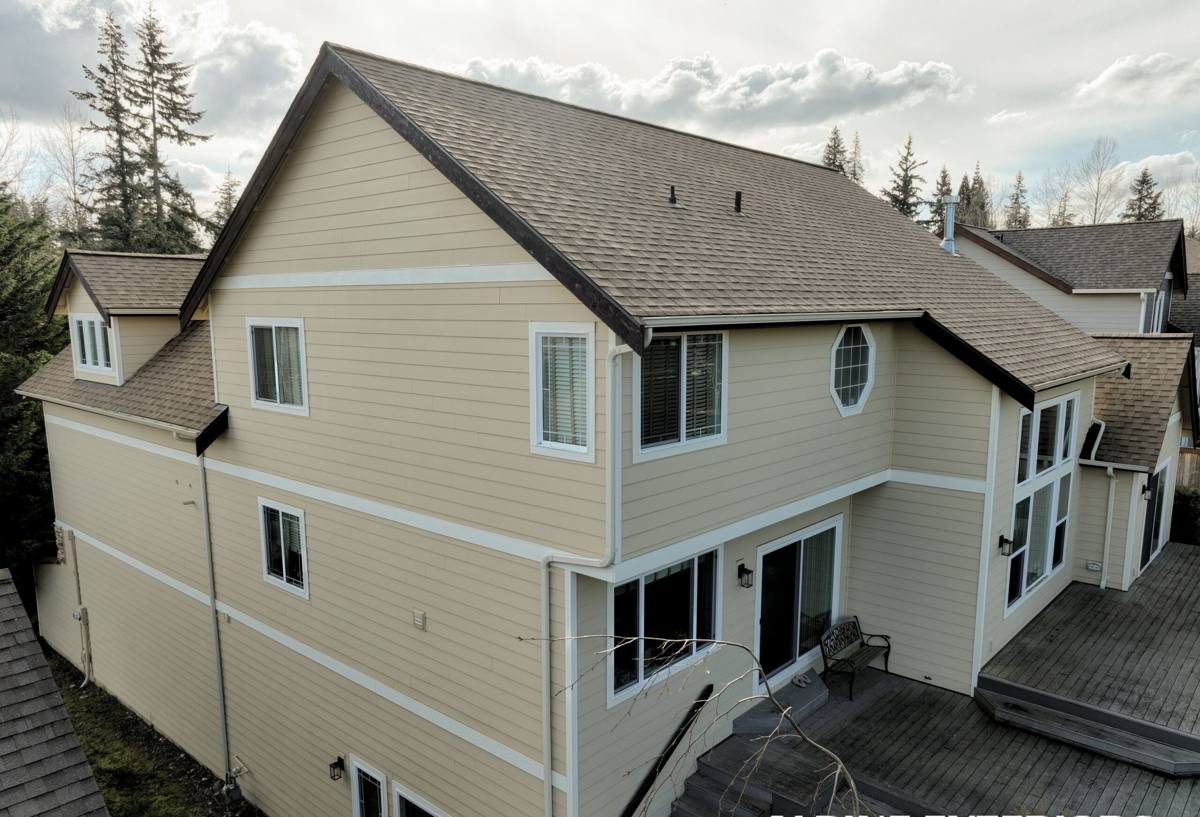
New-Construction vs. Replacement: Why the Method Is Different
A replacement window drops into an existing frame that's already flashed and sealed into the wall — the old sash and frame come out, the new unit goes in, and the original exterior finish stays mostly untouched. A new-construction window is a different animal. It has a nailing fin around the perimeter, and it gets installed into a bare, framed opening before siding, stucco, or brick veneer is ever applied.
That means the window becomes part of the wall's water management system, not something added on top of it. The flashing, the weather-resistant barrier, and the window's nailing fin all have to be sequenced correctly, or water finds its way behind the finish material years down the road — usually long after the crew that installed it is gone. This is why new-construction installs get used on true new builds, room additions, and full remodels where the wall is open to the studs, and why the sequencing matters as much as the window itself.
What Pinellas Point's Climate Demands From These Windows
Being this close to Tampa Bay and the Gulf, homes in this neighborhood deal with a combination of stresses that inland homes simply don't see to the same degree.
Wind Load and Wind-Borne Debris
Florida's building code sets minimum design pressures for windows based on location, and coastal parts of Pinellas County generally sit in higher wind zones than areas further from the water. New-construction windows here need to carry a product approval rating that matches the wind pressures for this specific site, and in wind-borne debris areas that can mean impact-rated glass or an approved opening-protection plan. This isn't optional paperwork — it's what a building inspector checks against the permit before the wall ever gets closed up.
Wind-Driven Rain
Hurricane-force winds don't just push air against a window — they push rain sideways and upward, testing seals and flashing details that a calm-weather rain never would. A new-construction window that's flashed correctly sheds that water down and out of the wall assembly. One that's flashed backward, or has the wrong lap sequence at the sill, will leak specifically in wind-driven storms, which is exactly when nobody wants to find out about it.
Salt Air and Corrosion
Proximity to the bay means salt is in the air here more than a few miles inland, and it attacks metal hardware, fasteners, and some frame finishes over time. Fastener choice and hardware finish matter more on a Pinellas Point install than they would on a house in a landlocked suburb — cutting corners on corrosion-resistant components shows up as pitting and stuck hardware within a handful of years, not decades.
UV and Heat
Florida sun is intense and year-round, and it's hard on window glass, seals, and interior furnishings alike. A good glass package with a modern low-E coating cuts down on solar heat gain and UV transmission without making the house feel dark, which matters for comfort and for the air conditioning bill in a house that runs cooling nearly twelve months a year.
What a Correct Installation Actually Involves
A new-construction window installation is a sequence, and skipping or reordering steps is where most future leaks come from. Done right, it generally looks like this:
- Rough opening is checked for correct size, level, plumb, and square before the window ever shows up on site.
- Weather-resistant barrier (house wrap or equivalent) is prepped and cut at the opening in a way that allows proper flashing integration, not just taped over.
- Sill pan flashing goes in first, sloped to drain water back outside the wall rather than letting it pool at the sill.
- The window is set into the opening, checked again for level and square, and temporarily fastened.
- Side and head flashing are installed in a shingle-style lap — each layer overlapping the one below it — so water is always directed downward and outward.
- The nailing fin is fastened per the manufacturer's approved installation instructions, since that's what ties the unit to its product approval and wind rating.
- Interior and exterior sealant, backer rod, and insulation are installed around the frame, leaving the window free to expand and contract without stressing the frame.
- Exterior finish (siding, stucco, trim) is brought up to and integrated with the window's flanges and flashing.
Any one of these steps done out of order or skipped entirely can still let the window look fine and pass a casual glance — the problems show up later, in the first serious storm.
Our Process for Pinellas Point Projects
We keep this straightforward and try not to waste your time:
- Site visit and measure: We look at the actual openings, the wall assembly, and the site conditions — not just a spec sheet.
- Product and glass selection: We walk through frame material and glass package options based on your budget, the wind rating your openings need, and how the home will be finished.
- Permitting: We handle the permit application and documentation the local building department requires for window installation, matched to the wind pressures for your address.
- Ordering and lead time: Windows are ordered to the confirmed opening sizes; lead times vary by product line and are communicated up front, not discovered halfway through the job.
- Installation: Our crew follows the flashing and fastening sequence above, on every opening, every time.
- Inspection and walkthrough: We coordinate the required inspection and walk the finished openings with you before calling the job done.
Frame Material and Glass Package Comparison
There's no single "best" choice for every house — it depends on the openings, the budget, and how the home will be finished. Here's how the common options generally compare for a coastal St. Petersburg install:
| Option | Strengths | Trade-offs | Best Fit |
|---|---|---|---|
| Vinyl frame | Won't corrode from salt air, good insulating value, lower cost | Can flex on very large openings; color/finish choices are more limited than aluminum | Most standard residential openings |
| Aluminum frame | Strong, slim sightlines, holds up well on large openings | Conducts heat unless thermally broken; needs corrosion-resistant hardware near the coast | Larger openings, more contemporary designs |
| Standard annealed glass + shutters/panels | Lower upfront glass cost | Requires deploying protection before every storm; doesn't reduce noise or UV the way laminated glass does | Homeowners with a reliable shutter routine and storage space |
| Impact-rated laminated glass | No separate shutters needed, cuts noise and UV, stays in place year-round | Higher upfront cost per opening | Homes wanting permanent, no-hassle storm protection |
Why a Crew That Already Works Pinellas Point Matters
New-construction window work leans heavily on local knowledge that doesn't show up on a spec sheet. A crew that already works this part of St. Petersburg knows the wind pressure requirements the local building department will check against, has already been through the permitting and inspection process here, and isn't guessing at what an inspector will want to see at the flashing details. That familiarity shortens the permitting back-and-forth and reduces the odds of a failed inspection turning into a delay.
There's also the practical matter of scheduling around Florida's hurricane season and the summer rain pattern — an experienced local crew plans install windows accordingly rather than leaving a wall open to the weather longer than it needs to be. And on a peninsula neighborhood like this one, where homes vary in age and construction style, a crew with local reps has simply seen more of the range of conditions a given opening might present.
Cost Factors for a New-Construction Window Project
Pricing depends on your specific openings, but these are the variables that move the number the most:
| Factor | Why It Affects Cost |
|---|---|
| Number and size of openings | More openings and larger units mean more material and labor |
| Impact-rated vs. standard glass | Impact-rated laminated glass carries a higher material cost per opening |
| Frame material | Vinyl, aluminum, and specialty finishes are priced differently |
| Wind rating required for your address | Higher design pressures may require heavier-duty product lines |
| Accessibility | Second-story or hard-to-reach openings take more time and equipment |
| Finish work | Interior/exterior trim and siding integration add labor beyond the window itself |
As a rough guide, most homeowners in this area should expect per-opening costs to range from several hundred dollars for basic vinyl units up to well over a thousand dollars per opening for larger, impact-rated, or aluminum-frame windows. An accurate number only comes from measuring your actual openings and discussing what you want out of the glass package.
Questions to Ask Before You Hire
- Do you pull permits and coordinate inspections yourselves, or is that left to me?
- What wind rating and product approval do these windows carry, and does it match what my address requires?
- Will you follow the manufacturer's approved installation instructions for fastening and flashing?
- What's your sequence for sill flashing and the weather-resistant barrier at each opening?
- What's the expected lead time between ordering and installation for the product I'm choosing?
- Who's doing the physical installation — your own crew, or subcontracted labor?
If you're planning a new build, an addition, or a full remodel in Pinellas Point and want new-construction windows installed correctly the first time, we're happy to come take a look at your openings and put together a straightforward, no-pressure estimate. Use the form below to get started.