 St. Petersburg Window
 Pinellas Park Roofs Work Harder Than Most
Pinellas Park sits in the middle of the peninsula, which sounds like it should mean less exposure than the beach communities to the west. In practice, the difference is smaller than most homeowners expect. Salt air still travels inland on prevailing winds, summer UV bakes shingles and membranes for months at a time, and when a tropical system tracks through Pinellas County, hurricane-force winds and wind-driven rain don't stop at the coastline. A roof here is doing a harder job than the same roof would in most of the country, and it shows up as granule loss, curling shingles, and soft decking well before homeowners expect to be shopping for a replacement.
This page is about one job, done right, in one neighborhood: full roof replacement for Pinellas Park homes. Not a general overview of every roofing option under the sun — a straight explanation of what a correct replacement involves here, how we handle it, and why it matters that the crew on your roof already works this area.
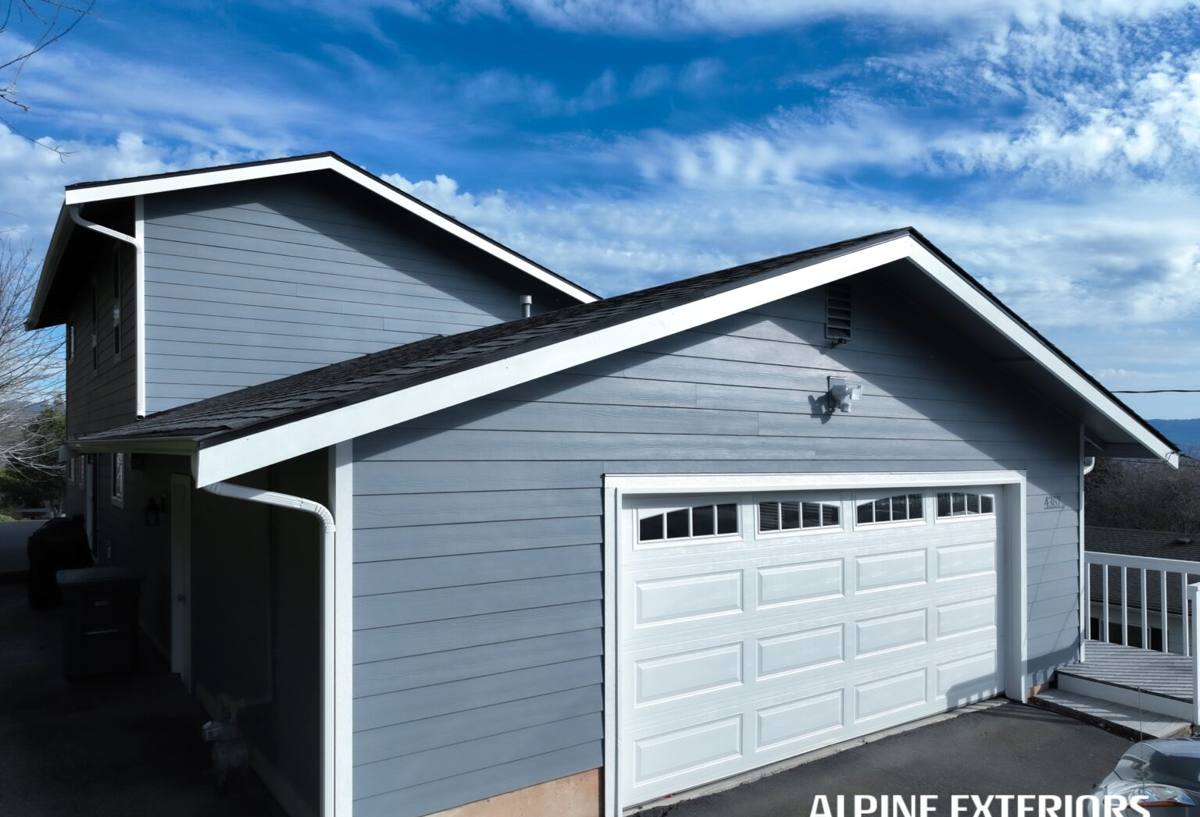
What a Correct Replacement Actually Involves
A roof replacement isn't just stripping old shingles and nailing down new ones. The parts nobody sees are the parts that determine whether the roof survives the next decade of Florida weather without a callback.
Full Tear-Off and Deck Inspection
We remove the existing roofing material down to the deck rather than layering over it. That's the only way to actually see the plywood or OSB underneath. Years of wind-driven rain finding its way through aging flashing or worn shingles can soften decking from the inside without any visible sign from the outside. Any damaged or delaminated sections get replaced before anything new goes down — patching over soft decking just hides a problem that will resurface as a sag or a leak.
Underlayment and Flashing
The underlayment is the roof's actual waterproofing layer; shingles or tiles are mostly there to shed water and protect the underlayment from UV. In this climate we treat underlayment as non-negotiable, especially around valleys, chimneys, skylights, and any wall-to-roof transitions, since those are the spots where wind-driven rain gets pushed sideways and finds gaps. New flashing goes in at every penetration and transition — reusing old flashing to save time is one of the most common shortcuts that leads to a leak two or three years later.
Ventilation
Attics in Pinellas County take on serious heat load for most of the year. A roof system without adequate intake and exhaust ventilation runs hotter, which shortens shingle life and can push cooling costs up. Part of a correct replacement is checking that soffit vents aren't blocked and that exhaust ventilation is sized properly for the attic, not just replicating whatever setup was there before.
Fastening and Wind Rating
How a roof is fastened matters as much as what it's fastened with. Nailing pattern, nail length, and fastener spacing all affect how the finished roof performs against uplift in high wind. We install to the wind-rated specifications required for the product and the local building code, not the minimum that happens to hold the material down on a calm day.
Choosing the Right Material for This Climate
There isn't one "best" roofing material for every Pinellas Park home — it depends on budget, roof shape, and how long you plan to stay in the house. Here's how the common options actually compare when salt air, UV, and wind are part of the equation.
| Material | Wind performance | UV / heat aging | Salt air exposure | Typical lifespan | Upfront cost |
|---|---|---|---|---|---|
| Architectural asphalt shingle | Good, when properly fastened and rated | Moderate — granule loss over time | Fine with standard maintenance | 20-30 years | Lowest |
| Standing seam metal | Excellent, especially with concealed fasteners | Very good — reflects heat, minimal aging | Needs a coastal-rated finish/coating | 40-50+ years | Highest |
| Concrete or clay tile | Very good when properly fastened; heavy | Excellent — doesn't degrade from sun | Very good | 50+ years | High |
Cost factors that move the number more than the material label: roof pitch and complexity (cutting and flashing around dormers, skylights, and multiple valleys takes real labor time), how much of the decking needs replacing once we're into the tear-off, and whether the existing roof has multiple layers that need to come off. We walk through all of that during the estimate so there are no surprises once the crew is on site.
Our Process, Start to Finish
- Inspection and estimate. We get on the roof, check the decking condition where accessible, look at flashing, ventilation, and current material condition, and give you a written estimate with real numbers, not a placeholder.
- Material selection. We walk through the options above based on your budget, how long you plan to own the home, and any HOA or aesthetic considerations.
- Permitting. We pull the required permit before work starts. This isn't optional paperwork — it protects you, and it's required for the final inspection your insurer or lender may ask for.
- Tear-off day. Old material comes off, decking gets inspected and repaired as needed, and the roof is dried in with underlayment the same day whenever weather allows — an open deck is not left exposed overnight in a climate where afternoon storms are routine.
- Installation. New flashing, ventilation, and the finished material go on to spec, with fastening done to the wind-rated pattern for the product.
- Final inspection and cleanup. We coordinate the required inspection, walk the property for nails and debris, and go over the finished roof and warranty paperwork with you.
Permits, Codes, and Inspections in Pinellas County
Roofing in Florida is governed by the Florida Building Code, which sets wind-load and fastening requirements based on your location's design wind speed. Pinellas Park is its own incorporated city with its own building and permitting process, separate from St. Petersburg's — that distinction matters because it affects which office issues the permit and schedules the inspection. We handle the permit application and coordinate the inspection as part of the job, so you aren't the one chasing down a city office mid-project. Skipping the permit to save time is a real shortcut some contractors take, and it's one you don't want on your house — an unpermitted roof can complicate insurance claims and resale down the line.
Signs Your Roof Needs Replacing, Not Just Patching
Not every roof problem calls for a full replacement. But a few signs usually mean patching is a temporary fix that's postponing the real job:
- Shingles that are curling, cupping, or losing granules across large sections of the roof, not just one spot
- Soft or spongy decking you can feel when walking the attic or roof
- Repeated leaks in different locations after previous repairs
- Visible daylight through the roof deck from inside the attic
- A roof that's 20+ years old and has been through multiple storm seasons without replacement
- Missing or lifted shingles after a wind event, especially along the roof edges and ridge
- Rising energy bills with no other explanation, which can point to failed ventilation or insulation under an aging roof
If you're only seeing one or two of these and the roof is relatively young, a repair may genuinely be the right call — we'll tell you that instead of pushing a replacement you don't need yet.
Why a Crew That Already Works Pinellas Park Matters
A lot of Pinellas Park homes were built during the same mid-century growth period, which means a lot of roofs in the area are aging out around the same time and running into the same set of issues — original decking, undersized ventilation for today's attic loads, and flashing details that were standard decades ago but don't meet current wind requirements. A crew that works this neighborhood regularly has already seen the common roof types and framing quirks here, which means fewer surprises once tear-off starts and a more accurate estimate up front. It also means we know the local permitting process and inspection scheduling, and we're not driving in from another county when you need a fast response after a storm.
Insurance, Timing, and Wind Mitigation
A new roof installed to current code can qualify your home for a wind mitigation inspection that may lower your insurance premium — the savings depend on your insurer and policy, so we can't quote a number, but it's worth asking your agent once the roof is complete. On timing: scheduling a replacement before hurricane season gets underway is generally smarter than waiting, since contractor availability tightens up fast once storms start tracking toward the Gulf. If you're replacing a roof after storm damage, keep photos of the damage and your permit paperwork for your insurance claim — we can provide documentation of the completed work as well.
Keeping a New Roof Sound
A properly installed roof still benefits from basic upkeep: keep gutters clear so water isn't backing up under the edge, trim back overhanging branches that drop debris and hold moisture against the surface, and have the roof looked at after any major wind event even if nothing looks obviously wrong from the ground. We'll go over your specific warranty terms — manufacturer and workmanship — at the end of the job so you know exactly what's covered and for how long.
If your Pinellas Park roof is showing its age or you just want an honest read on whether repair or replacement makes sense, we're glad to take a look. Use the form below to request a free, no-pressure estimate.