 St. Petersburg Window
 Siding Repair Built for Seminole's Climate
Seminole sits close enough to the Gulf that salt air, humidity, and wind-driven rain are part of daily life for every house in the area, whether it's a block from the water or a mile inland. Add in Florida's intense year-round UV and the real chance of hurricane-force winds during storm season, and it's no surprise siding in this part of Pinellas County takes more abuse than siding almost anywhere else in the country. A repair that would hold up fine in a drier, milder climate often fails here within a couple of seasons because it wasn't built to handle what Seminole actually throws at it.
We repair siding for homeowners throughout Seminole and the surrounding St. Petersburg area, and the patterns we see are consistent: sun-baked and warped panels on the west and south exposures, moisture damage low on the wall where sprinklers or poor drainage keep siding wet, and wind damage around corners, eaves, and gable ends where uplift pressure concentrates during storms. Understanding why the damage happened is the first step to repairing it correctly instead of just patching over it.
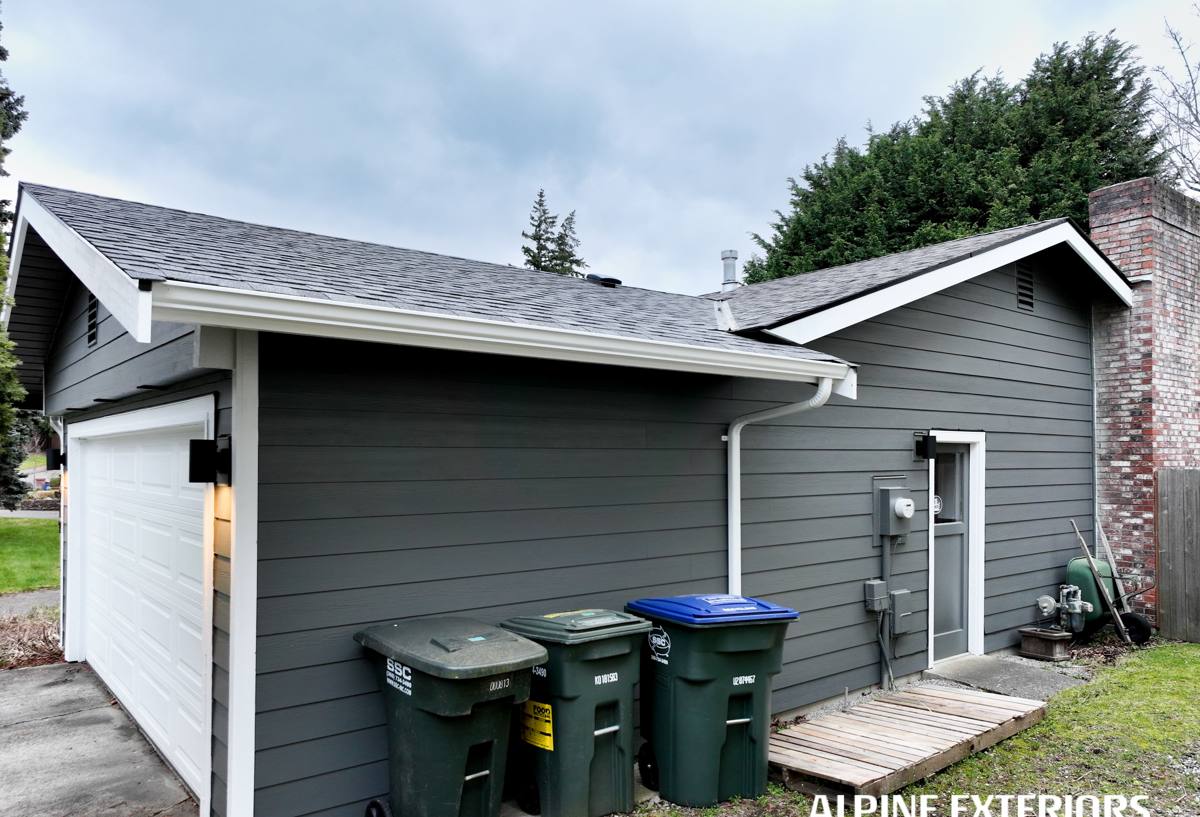
What Local Homes Actually Need From a Siding Repair
A repair job here needs to do three things a repair in a milder climate doesn't always have to worry about as much:
- Shed wind-driven rain, not just vertical rain. Seminole's storms rarely come straight down. Repairs have to account for water pushed sideways and upward under laps and around trim.
- Survive UV exposure without early fading or embrittlement. Florida sun is harsh on unprotected or poorly finished siding materials, causing chalking, color loss, and surface cracking well before a product's expected lifespan.
- Resist salt-air corrosion of fasteners and metal flashing. Even a few miles from the coast, airborne salt accelerates corrosion of the wrong fastener types, which shows up later as staining, streaking, and loosened panels.
Any repair that ignores these three factors is likely to need redoing sooner than it should.
Common Siding Damage We See Around Seminole
Storm and Wind Damage
Wind uplift during tropical storms and hurricane-adjacent weather tends to hit corners, eaves, and any spot where siding was under-fastened or under-lapped to begin with. Cracked panels, popped fasteners, and sections pulled loose at the bottom edge are the most common results. Even when the damage looks cosmetic, it's usually a sign the water-resistive barrier underneath has been exposed to the elements.
Moisture and Rot Damage
Older wood-based siding, and even some fiber cement installed without proper clearances, can take on water at butt joints, behind trim, and near ground contact. In Seminole's humidity, trapped moisture doesn't dry out the way it might in a drier climate — it sits, and rot spreads. By the time staining or soft spots are visible on the surface, the damage underneath is often more extensive.
Sun and Heat Damage
West- and south-facing walls take the brunt of Florida's afternoon sun. Over years, this shows up as warping, buckling, fading, and surface checking, especially on siding that wasn't factory-finished to handle sustained UV exposure.
Impact and Fastener Damage
Lawn equipment, falling debris, and even routine pressure washing done incorrectly can crack panels or strip caulking. Corroded or improperly rated fasteners eventually work loose, letting panels shift and gaps open up.
What a Correct Repair Actually Involves
A siding repair that's done right is more than swapping a damaged panel for a new one. Our process on every repair includes:
- Diagnosing the cause, not just the symptom. We check whether the damage is isolated or a sign of a bigger moisture or ventilation problem before we touch anything.
- Inspecting behind the siding. Any time we remove a damaged section, we check the water-resistive barrier and framing underneath for hidden rot or moisture intrusion.
- Matching material and profile. Repairs use siding that matches the existing profile, reveal, and where possible the finish, so the patch doesn't stand out or create a mismatched water path.
- Correct fastening and flashing. We use fasteners and flashing details rated for coastal exposure, not whatever happens to be fastest to install.
- Sealing to spec, not by guesswork. Caulking and sealant are applied at the joints that actually need them — over-sealing traps moisture just as badly as under-sealing lets it in.
Skipping any of these steps is how a "quick fix" turns into a repeat service call within a year or two.
Repair vs. Replacement: How We Help You Decide
Not every damaged section needs full replacement, but not every repair is worth doing either. Here's how we generally think about it:
| Situation | Usually Repairable | Usually Needs Replacement |
|---|---|---|
| Isolated impact damage, sound siding around it | Yes | — |
| Localized rot from a single leak source, now fixed | Yes | — |
| Widespread warping or fading across multiple walls | — | Yes |
| Rot found in framing or sheathing, not just siding | Depends on extent | Often |
| Siding is 20+ years old and failing in multiple spots | — | Yes |
| Original material was never suited to this climate | Temporary only | Yes, long term |
We'll always give you a straight answer on which category your home falls into, including when a repair is the smarter short-term move even if replacement is coming eventually.
Why the Original Siding Material Matters
What we find behind damaged siding often explains why it failed in the first place. Vinyl siding softens and warps under sustained heat and can crack in cold snaps, and it offers very little to fasten a durable repair into. Untreated or primed wood siding, including primed spruce or cedar, is especially vulnerable to Seminole's humidity and rain exposure once the factory coating is compromised. Engineered wood products can perform well when properly maintained, but they're sensitive to moisture at cut edges and joints, which is exactly where a lot of storm and impact damage occurs.
This is a big part of why, when a repair isn't enough and full replacement makes more sense, we install James Hardie fiber cement siding exclusively. It's non-combustible, engineered for high-humidity, high-UV climates like ours (Hardie's HZ5 product line is built specifically for this region), holds its ColorPlus factory finish far longer than field-painted alternatives, and comes with a strong transferable warranty. We won't repair a failing product with a system we wouldn't stand behind ourselves — if a like-for-like patch isn't the right call, we'll tell you plainly instead of just matching what's already failing.
Our Repair Process, Step by Step
- Inspection and diagnosis: We look at the damaged area and check adjacent sections and the wall assembly behind it.
- Honest scope and estimate: You get a clear explanation of what's needed and why, with repair and replacement options laid out separately if both apply.
- Material sourcing and matching: We source siding and trim that match your home's existing profile and finish as closely as possible.
- Removal and hidden-damage check: Damaged sections come off carefully so we can inspect the barrier and framing underneath.
- Correct installation: New material goes in with proper fastening, flashing, and clearances — not just tacked into place.
- Final inspection: We walk the repair with you before calling the job done.
Why Hiring a Crew That Already Works in Seminole Matters
Siding repair isn't one-size-fits-all across Florida, let alone across the country. A crew that works Seminole and the greater St. Petersburg area regularly already knows which exposures take the worst sun, which older neighborhoods tend to have specific siding materials from certain build eras, and how quickly a small moisture problem can turn into a bigger one in this humidity. That local pattern recognition shortens the diagnosis phase and reduces the chance of a repair that looks right on day one but fails by the next storm season.
It also means faster response when timing matters — after a storm, waiting weeks for someone unfamiliar with coastal Florida conditions to figure out what they're looking at isn't a luxury most homeowners can afford.
Signs You Should Have Your Siding Inspected
- Visible cracks, holes, or warping on any wall, especially west- or south-facing
- Soft spots when you press on the siding near the bottom of the wall
- Staining, streaking, or discoloration that doesn't wash off
- Panels that have shifted, gapped, or come loose at the edges
- Musty odors or visible mold on interior walls that back up to exterior siding
- Peeling paint or bubbling finish, particularly after a storm
If you're seeing any of these, it's worth getting it looked at before the next round of Gulf storms or another summer of direct sun makes the damage worse.
If you're dealing with damaged, aging, or storm-affected siding on a Seminole home, we're happy to take a look and give you a straightforward assessment — no pressure, no obligation. Reach out below for a free estimate.