 St. Petersburg Window
 Siding Replacement Built for Historic Kenwood's Older Homes
Historic Kenwood is one of St. Petersburg's older, architecturally distinct neighborhoods, full of bungalows, Craftsman-style houses, and early-to-mid-20th-century construction. Homes here weren't built to modern exterior standards, and many still carry original wood siding, decades-old repairs, or mismatched replacement materials from past owners. When it's time to re-side one of these homes, the job isn't the same as siding a new-build tract house across the bay. Older framing, settled foundations, layered paint history, and neighborhood character all factor into doing it correctly.
We work in Kenwood regularly, and the siding problems we see are consistent: soft or delaminating original wood boards, siding that's been patched with three different materials over the years, and moisture damage hiding behind trim that looks fine from the street. A proper replacement addresses the substrate underneath, not just the visible surface.
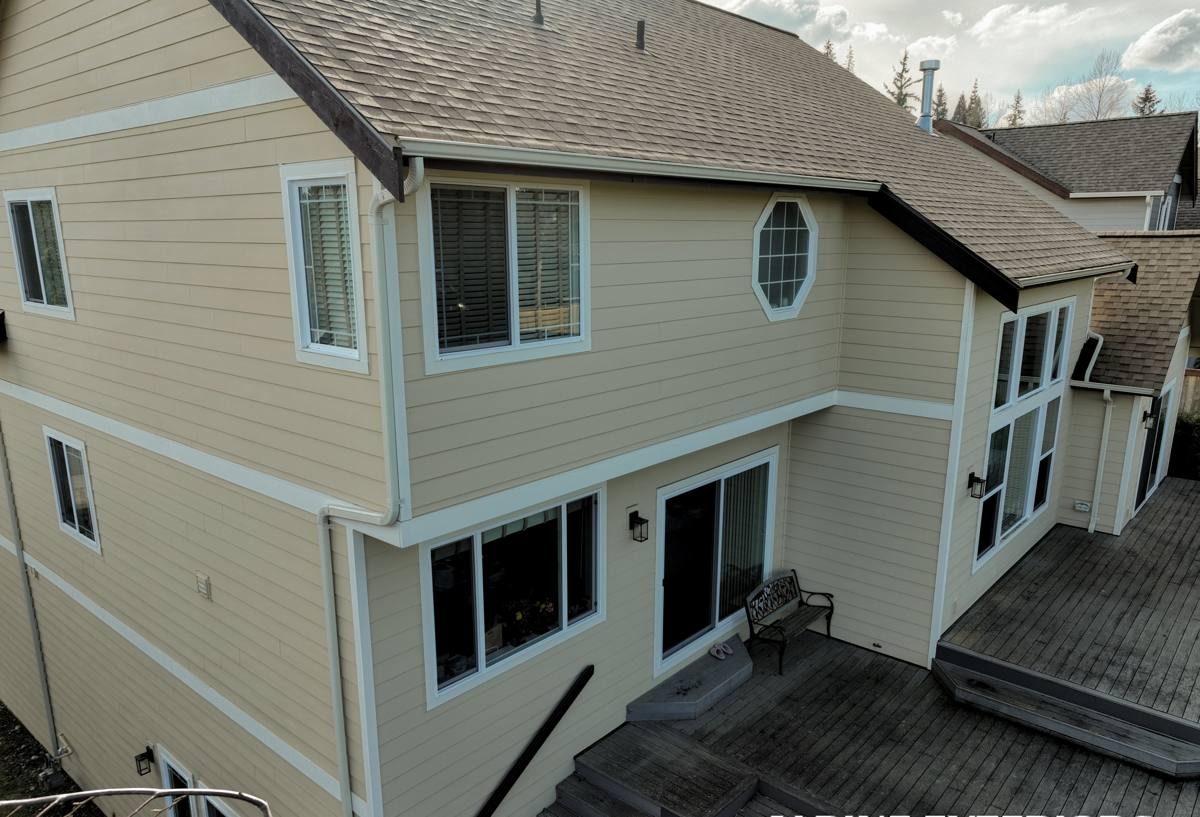
What Pinellas County Climate Does to Older Siding
St. Petersburg sits in a tough spot for exterior materials. Hurricane-force winds test every fastener and seam. Intense, near year-round UV breaks down pigments and softens materials that aren't engineered to resist it. Wind-driven rain during summer storms forces water sideways into laps and joints that a calmer climate would never stress. And because Kenwood is close enough to Tampa Bay and the Gulf, salt air is a constant, low-grade corrosive presence on fasteners, trim, and paint film.
On a historic home, these forces compound. Original wood siding that's 70-100 years old has already absorbed decades of moisture cycling. Old paint layers trap moisture against the wood instead of letting it breathe. Additions and repairs over the years often used materials that expand and contract differently than the original siding, creating gaps where wind-driven rain gets in. By the time damage is visible from the curb, it's usually been developing for years underneath.
Common Failure Points We Find in Kenwood
- Butt joints and corner boards where old caulk has failed and water has been tracking behind the siding
- Bottom courses near grade or planting beds, where splash-back moisture accelerates rot
- Areas around window and door trim where old flashing (or no flashing) let water in during storms
- Siding facing prevailing wind-driven rain that shows more paint failure and cupping than other elevations
- Patched sections using mismatched materials that don't move or weather the same way as the surrounding siding
Why We Only Install James Hardie Fiber Cement
We standardized on James Hardie fiber cement siding for every home we side, including in Kenwood, and we don't install vinyl, LP SmartSide, Cemplank, Allura, or primed spruce or cedar. That's not a marketing position — it's a decision based on what actually holds up in this climate over decades, not just the first few years.
Fiber cement is non-combustible, which matters on older neighborhoods with tighter lot spacing. It doesn't warp, cup, or rot the way wood does, and it doesn't soften or distort in direct Gulf Coast sun the way vinyl can. Hardie's HZ5 product line is specifically engineered for high-humidity, high-moisture climates like ours, and the ColorPlus factory finish is baked on under controlled conditions, which holds color and resists fading far better than field-applied paint exposed to our UV levels.
We're not saying every other product is worthless. Vinyl is inexpensive and low-maintenance in mild climates. Wood has real historical authenticity that some homeowners want. LP SmartSide and other engineered wood products have improved over the years. But for a coastal Florida home that needs to survive hurricane winds, salt air, and constant UV without becoming a five-year maintenance project, we've found fiber cement is what actually delivers, and we'd rather turn down work than install something we don't believe will hold up on your house.
Fiber Cement vs. Other Common Siding Choices
| Factor | James Hardie Fiber Cement | Vinyl | Wood / Engineered Wood |
|---|---|---|---|
| Hurricane wind resistance | High when installed to spec | Moderate, can crack or blow off in high wind | Depends on fastening and condition |
| UV / fade resistance | Factory ColorPlus finish, long fade resistance | Can fade and become brittle over time | Requires repainting/staining on a cycle |
| Moisture / rot behavior | Non-combustible, does not rot | Doesn't rot but can trap moisture behind panels | Vulnerable to rot without diligent upkeep |
| Salt air durability | Engineered for humid coastal climates (HZ5) | Generally stable but can chalk | Accelerated wear near salt air |
| Typical maintenance | Occasional cleaning, caulk checks | Low, but limited repair options | Regular painting, patching, pest checks |
What a Correct Siding Replacement Involves
Replacing siding on a historic home isn't a matter of pulling off old boards and nailing up new ones. Done correctly, it's a sequenced process that protects the structure underneath for decades, not just the next few years.
The Steps That Matter
- Full tear-off and inspection. We remove the old siding down to the sheathing so we can actually see the condition of the structure, not guess at it.
- Substrate repair. Any soft, rotted, or water-damaged sheathing and framing gets repaired or replaced before anything new goes up. Siding installed over compromised substrate fails early, no matter how good the material is.
- Weather-resistive barrier. A correctly lapped and sealed house wrap goes on to manage bulk water and vapor, which matters even more here given how much wind-driven rain the home will see.
- Proper flashing. Windows, doors, and any penetrations get flashed so water is directed out and down, not trapped behind the new siding.
- Hardie installation to manufacturer spec. Correct fastener type and spacing, proper clearances from grade and roofing, and correctly caulked joints — all per James Hardie's published installation requirements, which is what keeps the transferable warranty intact.
- Trim and detail work. Corner boards, trim, and transitions are finished to match the home's character, which matters in a neighborhood where architectural consistency is part of the appeal.
- Final inspection and cleanup. We walk the job before we call it done, checking seams, caulk lines, and fastener patterns.
Why Hiring a Crew That Already Works in Kenwood Matters
Older neighborhoods have quirks that generic siding crews miss. Framing on a 1920s or 1930s bungalow isn't spaced or sized like modern construction. Additions built decades apart often don't align cleanly at the seams. And in a neighborhood with real architectural character, homeowners generally want the replacement to look like it belongs, not like a generic upgrade that clashes with the block.
A crew that's worked Kenwood homes before knows to expect surprises under the old siding, knows how to match trim profiles and reveal so the new siding reads correctly against the home's original lines, and doesn't need to relearn these lessons on your project. That experience shows up in fewer change orders, fewer surprises mid-job, and a finished result that fits the house instead of fighting it.
What to Check Before Hiring Anyone to Re-Side Your Home
- Do they inspect and repair the substrate, or just cover over whatever's there?
- Do they follow James Hardie's published fastening and clearance specs, or install "close enough"?
- Can they explain how they'll handle flashing around your windows and doors?
- Do they carry proper licensing and insurance for exterior work in Pinellas County?
- Will the installation qualify for James Hardie's transferable warranty, and do they know the requirements to keep it valid?
- Have they worked on homes of a similar age and construction type before?
Cost Factors for a Kenwood Siding Replacement
Every home is different, and we won't quote a number without seeing the house, but a few factors consistently drive cost on older Kenwood homes more than on newer construction elsewhere in St. Petersburg.
| Factor | Why It Affects Cost |
|---|---|
| Substrate condition | Rot or water damage found during tear-off requires repair before new siding goes on |
| Home's architectural detail | Trim, corner boards, and profile matching take more time on detailed older homes |
| Number of elevations exposed to wind-driven rain | Storm-facing sides often need more flashing and detail attention |
| Access and lot layout | Tighter older lots can slow material staging and tear-off |
| Siding profile selected | Lap width, texture, and trim style affect material and labor |
If your Historic Kenwood home has aging siding, visible damage, or you're just planning ahead for a home that's due for a real, lasting replacement, we're glad to take a look and walk you through what we find. Reach out for a free, no-pressure estimate — someone will walk the exterior with you, explain what's actually going on under the surface, and give you a straight answer on what it will take to do the job right.