 St. Petersburg Window
 Why Coquina Key Homes Need a Different Approach to Windows
Coquina Key sits on filled land surrounded by water on three sides, which means every home here deals with a combination of conditions that inland St. Petersburg neighborhoods don't face nearly as hard: constant salt-laden air, direct exposure to wind coming off the bay with nothing to break it, and the humidity load that comes from being this close to open water. Windows installed here work harder every single day than windows installed a few miles inland, and they fail faster when they're not installed with that reality in mind.
We're not talking about a different product line necessarily — we're talking about correct product selection, correct installation technique, and correct flashing detail, all matched to a canal-front or near-water lot. Get any one of those wrong and you end up with a window that looks fine for a year or two and then starts showing corrosion streaks, fogging between panes, or water intrusion at the frame during the next heavy blow.
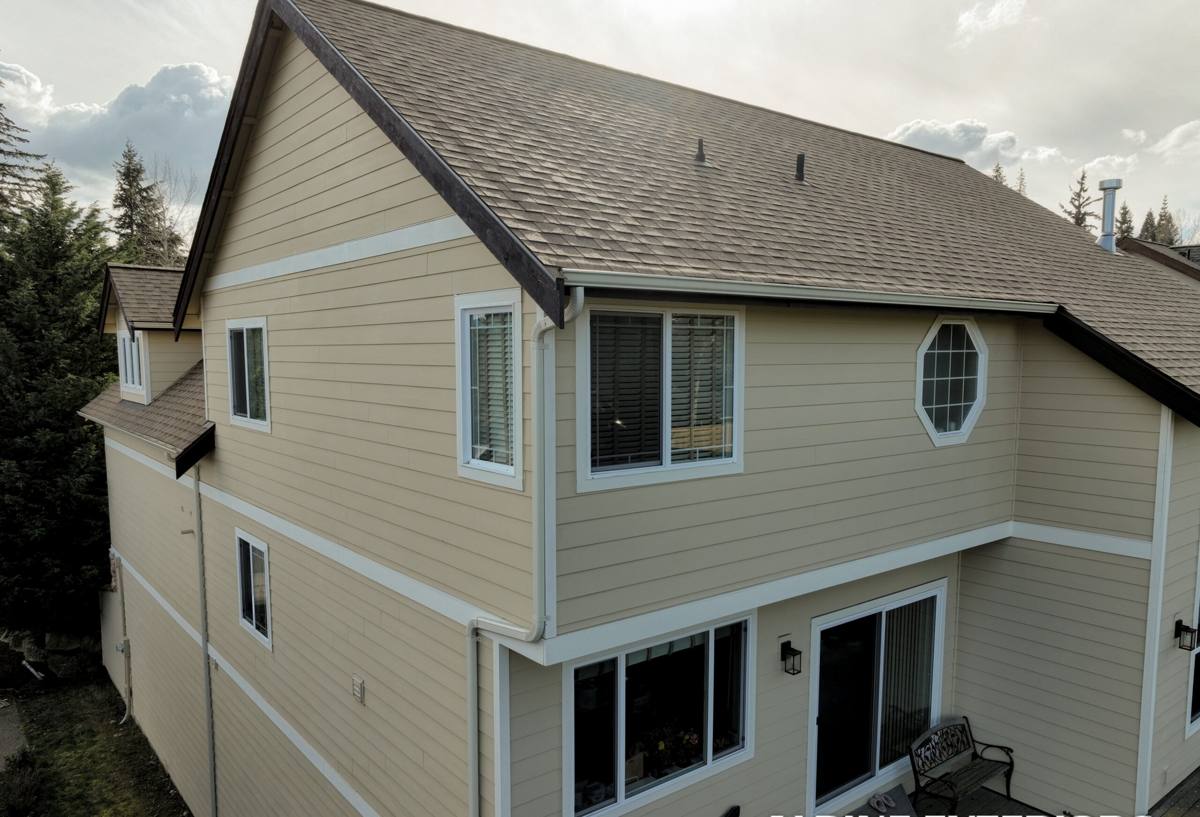
What Coquina Key's Climate Actually Does to a Window
Salt Air and Corrosion
Salt spray carried on the wind settles on window frames, hardware, and screen components year-round, not just during storms. Aluminum and vinyl frames handle this differently, and hardware quality matters more here than it does on a house set back from the water. Cheap fasteners and low-grade cladding corrode noticeably faster on a canal lot than they would ten miles inland — it's one of the most common complaints we hear from homeowners who had work done by a crew unfamiliar with barrier-island and waterfront conditions.
Wind-Driven Rain
Pinellas County sees storms that push rain sideways, not straight down, and a canal-front lot gets that wind with less obstruction than a house tucked into a denser inland block. Wind-driven rain finds any gap in flashing or sealant and pushes water into the wall cavity under pressure — this is a different failure mode than a slow drip, and it's why flashing detail matters more here than caulk quality.
UV and Heat Cycling
Florida sun breaks down seals, gaskets, and low-quality vinyl over time, and the constant expansion and contraction from daily heat cycling stresses every seam in a window. Add salt exposure on top of UV exposure and you get a faster degradation curve on any product or installation that was cutting corners to begin with.
Storm Wind Loads
Homes near open water take direct wind loads during tropical storms and hurricanes with very little to slow the gusts down first. Windows and their anchoring have to be rated and installed to handle that load, not just meet code on paper.
What a Correct Window Installation Includes in This Neighborhood
A proper installation isn't just setting a window into an opening and running a bead of caulk around it. For a Coquina Key home, the job includes:
- Removing the old window and inspecting the rough opening for wood rot, corrosion, or prior water damage before anything new goes in
- Correcting any framing or substrate issues found during that inspection rather than installing over them
- Installing a proper flashing system around the opening designed to shed wind-driven rain, not just block it in calm weather
- Setting the window level, plumb, and square, then anchoring it per the manufacturer's specification for the wind zone
- Sealing with products rated for high-UV, high-salt exposure, not general-purpose caulk
- Verifying the finished installation meets the wind-load and impact rating required for the property's location and county permit
- Cleaning up and confirming proper operation, drainage, and seal before calling the job done
Skip the flashing step or rush the anchoring and the window can look perfect while still being a weak point in the wall the first time a real storm comes through.
Choosing the Right Window for a Canal-Front Lot
We steer Coquina Key homeowners toward products built specifically for coastal, high-wind exposure — impact-rated glass and frames tested and labeled for Florida's building code wind zones. That's not a sales preference; it's what actually holds up under the combination of salt, UV, and storm wind this location sees.
We're selective about frame material and hardware grade for the same reason. Lower-grade aluminum and hardware can corrode visibly within a few years this close to the water, and once corrosion starts on hardware it affects how well the window seals and operates, not just how it looks. We'd rather spec a slightly higher-grade product up front than have a homeowner calling us back in three years about a window that won't latch properly.
Frame Material Comparison for Salt-Air Exposure
| Frame Type | Salt-Air Behavior | Maintenance | Best Fit |
|---|---|---|---|
| Impact-rated vinyl | Doesn't corrode; UV-stable formulations hold color | Low — occasional cleaning | Most Coquina Key homes |
| Marine-grade / coated aluminum | Resists corrosion if properly coated and maintained | Moderate — coating needs monitoring | Homes wanting a slimmer frame profile |
| Standard aluminum (non-coastal grade) | Prone to pitting and corrosion near open water | High — frequent inspection needed | Not recommended this close to the bay |
| Wood-clad | Vulnerable at any exposed joint or cladding gap | High — humidity and salt accelerate rot at gaps | Interior-facing openings only, if at all |
Our Installation Process
1. On-Site Assessment
We walk the property, measure every opening, and check the condition of existing framing, sills, and any prior water damage. This is also when we talk through impact rating requirements and which products make sense for the specific exposure that opening sees — a window on the water side of the house often needs a different spec than one on the street side.
2. Product Selection and Permitting
We help select products that meet Pinellas County's wind-load and impact requirements for the property, and we handle the permitting so the work is documented and inspected properly — that matters for insurance and for resale down the road.
3. Removal and Opening Prep
Old windows come out carefully, and we address anything we find in the opening — soft wood, corroded fasteners, prior flashing failures — before installing anything new. Installing a new window over an already-compromised opening just hides the problem for a while.
4. Flashing and Installation
This is the step that gets skipped or rushed most often industry-wide, and it's the one we spend the most care on. Correct flashing sequencing, correct anchoring pattern, and correct sealant selection are what actually keep wind-driven rain out during the next storm.
5. Final Inspection and Walkthrough
We check operation, seal, and drainage on every window before we consider the job finished, and we walk the homeowner through what to expect and how to maintain the new windows in a salt-air environment.
Maintenance That Matters More on the Water
- Rinse frames and hardware periodically to remove salt buildup before it accelerates corrosion
- Check weep holes and drainage paths after storms to make sure they're clear
- Inspect exterior sealant annually for cracking or separation, especially after a hot summer
- Operate hardware regularly rather than letting it sit — hinges and latches that aren't used tend to seize or corrode faster
- Have seals and glazing checked if you notice fogging between panes, which usually signals a failed seal, not a cleaning issue
Why Local Installation Experience Matters Here
A crew that's worked in Coquina Key knows the difference between a lot facing open water and one set back a block, knows what wind exposure and permitting typically look like in this part of St. Petersburg, and isn't guessing at flashing detail on a canal-front install for the first time. That familiarity shows up in fewer callbacks and windows that actually perform the way they're rated to during the next storm season, not just on a sunny inspection day.
It also matters for something less obvious: knowing what's realistic. We won't oversell a homeowner on a product tier they don't need, and we won't undersell exposure that genuinely calls for a higher-rated window. That judgment comes from having done this work up and down the Pinellas County coastline, not from a general contractor's catalog.
Get a Straight Answer for Your Home
If you're not sure whether your current windows are holding up the way they should, or you're planning a replacement and want a straight assessment of what your specific property needs, we're happy to take a look. Request a free, no-pressure estimate using the form below and we'll walk your home the same way we'd walk any Coquina Key property — with the water, wind, and salt in mind from the start.